Leave Your Message
0%

In today's world, the push for sustainable tech solutions is more urgent than ever. One area that's really gaining attention is recycling lithium-ion batteries. Dr. Emily Parker, a top expert in battery tech, points out, 'Getting a Lithium Ion Battery Recycling Machine is pretty much essential if we want a greener future.' As electric cars and renewable energy setups become more common, the need for effective recycling methods is only growing.

These recycling machines do a lot more than just cut down waste — they also help recover valuable materials that would otherwise go to waste. Imagine a busy factory where batteries are being processed, and parts are reclaimed to be reused later. Every machine in that process is like a step closer to reducing environmental harm. Of course, not all recycling approaches are equal—some systems might not recover all the materials perfectly, which is a real challenge.

Getting a Lithium Ion Battery Recycling Machine isn’t just about business—it's about showing you care about innovation and the environment. As the industry changes, companies need to keep evaluating how they do things. Investing in this kind of tech can actually help move the entire industry toward a more sustainable future and, in the process, help keep our planet cleaner for everyone down the line.
Why Invest in a Lithium Ion Battery Recycling Machine?

Benefits of Investing in Lithium Ion Battery Recycling Machines

Investing in lithium-ion battery recycling machines is increasingly becoming a strategic choice. As the demand for electric vehicles (EVs) grows, the need for recycling solutions rises. According to a recent report by the International Energy Agency, global EV sales soared to 10 million units in 2022, reflecting a greater need for sustainable battery lifecycle management.

Lithium-ion batteries contain valuable materials like cobalt, nickel, and lithium. Recycling these materials can minimize environmental impact and reduce extraction costs. A study estimates that recycling can recover up to 95% of lithium and over 90% of cobalt from used batteries. With the global lithium market projected to reach $46 billion by 2027, recycling becomes not just an option but a necessity.

**Tip:** Consider collaborating with industry experts to ensure compliance with local regulations. Research indicates that the recycling process can be complex and varies significantly by region. Technology advancements are improving efficiencies, but challenges remain. Engage with specialists to navigate these complexities effectively.

Investing in recycling machines not only contributes to sustainability but also opens avenues for financial returns. However, it is crucial to invest wisely. The recycling industry is evolving, and staying updated on trends is essential. Explore partnerships that enhance your machine's efficiency and minimize operational risks.

Understanding the Lithium Ion Battery Recycling Process

Why Invest in a Lithium Ion Battery Recycling Machine?

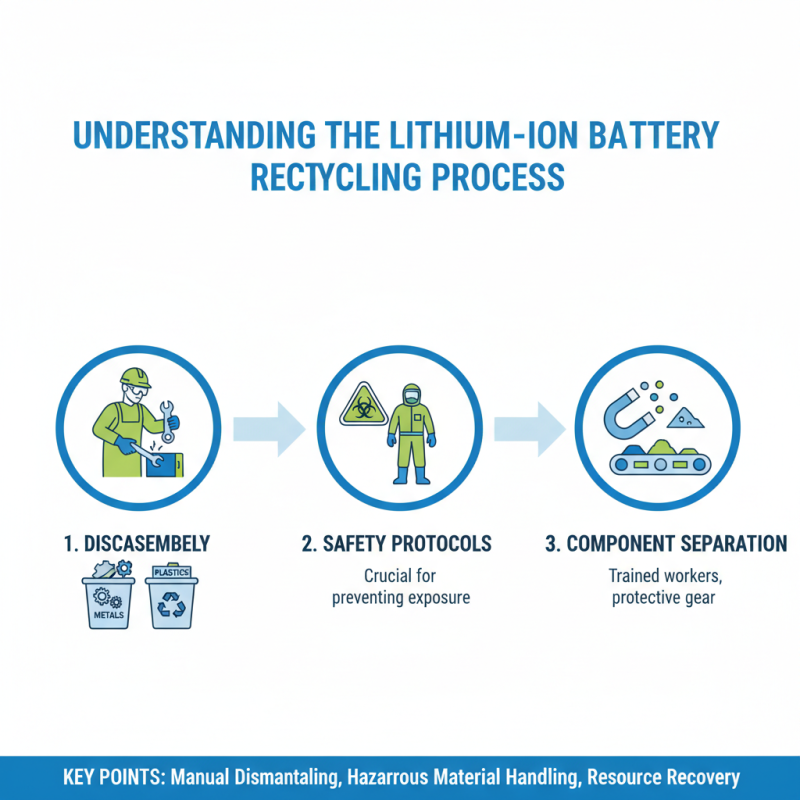
The lithium-ion battery recycling process is a complex yet essential task. This process begins with disassembly. Trained workers carefully dismantle the batteries to separate various components such as metals and plastics. Proper safety protocols are crucial during this phase. Workers must wear protective gear to prevent exposure to harmful materials.

After disassembly, the next step involves chemical processing. Metals like lithium, cobalt, and nickel undergo extraction. This typically happens through hydrometallurgical or pyrometallurgical methods. Each method has its own merits and challenges, requiring expertise to optimize efficiency. Contamination can pose significant challenges in maintaining high-quality recovery rates.

Moreover, there is often room for improvement in recycling technologies. Current systems may not fully extract all valuable materials. Ongoing research is necessary to enhance these processes. Innovations could lead to better recovery rates and reduced environmental impact. Recognizing these limitations allows industry professionals to push for advancements in lithium-ion battery recycling techniques.

Environmental Impact of Lithium Ion Battery Disposal

The disposal of lithium-ion batteries poses serious environmental challenges. These batteries can leak hazardous chemicals, contaminating soil and water. As the demand for electric vehicles and portable electronics rises, so does the need for effective recycling solutions. Creating a Lithium-ion Battery Recycling Plant is essential to mitigate these risks.

Recycling reduces the need for raw materials. It conserves energy and minimizes greenhouse gas emissions. Recyclable materials include lithium, cobalt, and nickel. These metals are critical for new battery production. However, many consumers are unaware of proper disposal methods. This gap in knowledge contributes to environmental harm.

Tips: Always check local regulations for battery disposal. Educating yourself on recycling options can make a difference. Collaborating with local recycling programs enhances community efforts. Small actions lead to significant changes in battery management.
It's easy to overlook the impact of discarded batteries. Raising awareness is crucial. Many still throw batteries in regular waste, leading to pollution. Every layer of education helps; individuals can influence change collectively.

Economic Opportunities from Battery Recycling

Investing in Lithium Ion Battery Recycling Processing Equipment opens up significant economic opportunities. The global shift toward renewable energy has increased battery demand. With that, the need for responsible waste management grows. Recycling batteries can recover valuable materials like lithium, cobalt, and nickel. These resources are essential for future battery production and can reduce the dependency on mining.

Local economies can benefit from battery recycling facilities. They create jobs in manufacturing, logistics, and environmental management. Schools and communities can partner to promote recycling awareness. However, challenges exist. The initial investment can be substantial, and technological advancements are necessary for efficient processing. As industries evolve, staying informed about best practices is crucial.

Investors must also consider regulatory frameworks and environmental impact. Transparency in operations builds trust within the community. Educational programs about the recycling process can foster public support. As the market expands, innovative recycling methods will likely emerge. Embracing change while addressing challenges can lead to a more sustainable future.

Technological Advances in Battery Recycling Machines

Recent advancements in battery recycling technology have transformed how we handle Lithium Ion batteries. The need for sustainable solutions in recycling is more pressing than ever. Efficient recycling machines can reclaim valuable materials from waste cellphone lithium ion batteries. These materials include cobalt, nickel, and lithium, which are crucial for manufacturing new batteries.

The latest machines utilize cutting-edge techniques, such as advanced hydrometallurgy and mechanical separation. These technologies improve recovery rates and reduce environmental impact. However, challenges still exist. Many facilities struggle to keep up with rising demand and evolving regulations. Companies must continuously invest in new technologies to stay competitive while ensuring compliance with safety standards.

In this landscape, the importance of a dedicated waste cellphone lithium ion battery recycling plant cannot be overstated. Such facilities not only address the growing volume of waste but also contribute to a circular economy. They help reduce the extraction of raw materials while supporting green technology. It’s essential to recognize that improving these processes requires ongoing research and innovation. Investing in lithium ion battery recycling machines is a step toward a more sustainable future, yet it also demands accountability and adaptation.

Investment in Lithium Ion Battery Recycling Machines

This chart illustrates the financial aspects of investing in lithium-ion battery recycling machines. The costs associated with purchasing the machine and its operational costs are compared to the potential revenue from recycled materials and the expected return on investment (ROI). Such data supports the argument for investing in advanced recycling technologies as a means to improve sustainability and profitability.

Regulatory and Compliance Considerations for Battery Recycling

The growing emphasis on sustainable practices has brought lithium-ion battery recycling to the forefront. Regulatory frameworks are crucial for guiding this industry. They ensure that recycled materials are handled safely and efficiently. Compliance with these regulations can help companies avoid legal issues and promote environmental sustainability.

In many regions, strict rules govern the disposal and recycling of batteries. Manufacturers must adhere to guidelines on material recovery and waste management. These regulations can be complex and often require expert knowledge. It’s critical for companies to stay updated on changes in legislation to remain compliant.

Moreover, utilizing a reliable lithium-ion battery recycling machine can simplify this process. An Old Lithium Ion Battery Crushing Plant can efficiently process used batteries. However, operators must understand local regulations regarding emissions and waste handling. It’s a balance between technological advancement and following the law. Failing to meet these regulations can result in significant fines and reputational damage. Reflecting on compliance not only signifies responsibility but also positions companies as leaders in the recycling domain.

Why Invest in a Lithium Ion Battery Recycling Machine? - Regulatory and Compliance Considerations for Battery Recycling

Consideration Description Regulatory Body Compliance Requirements
Environmental Impact Reducing hazardous waste and promoting sustainability. EPA (Environmental Protection Agency) Compliance with RCRA regulations and state laws.
Safety Standards Ensuring safe handling and processing of batteries. OSHA (Occupational Safety and Health Administration) Adherence to safety protocols and employee training.
End-of-Life Regulations Proper disposal of lithium-ion batteries that are no longer usable. State Environmental Agencies Meeting local disposal requirements and reporting obligations.
Financial Incentives Potential tax credits for recycling initiatives. IRS (Internal Revenue Service) Understanding eligibility for renewable energy tax credits.
Market Demand Increasing demand for recycled materials in manufacturing. Market Research Firms Staying informed on market trends and pricing indices.

Future Trends in Lithium Ion Battery Recycling Industry

The lithium-ion battery recycling industry is evolving rapidly. As electric vehicle production increases, so does the need for effective recycling solutions. The current methods are often inefficient and underdeveloped. This presents a unique opportunity for innovation. Companies must focus on enhancing technologies that can extract valuable materials from spent batteries.

Future trends highlight a move towards automated processes. Automation can improve the efficiency of recycling operations. Advanced sorting technologies may soon replace manual labor. Additionally, improved safety measures will be necessary. Handling hazardous materials requires strict precautions. Emerging guidelines could shape best practices in the industry.

Another key trend is the integration of AI and machine learning. These technologies can optimize recycling processes. They can also predict material yields more accurately. However, the implementation of these advanced systems comes with challenges. The initial investment in technology may deter some businesses.

It is crucial to weigh the long-term benefits against short-term costs. Adapting to these trends is essential for sustainability in the recycling sector.

FAQS

: What economic opportunities arise from battery recycling?

: Battery recycling opens significant economic opportunities by recovering valuable materials like lithium, cobalt, and nickel.

How can local economies benefit from battery recycling?

Recycling facilities create jobs in manufacturing, logistics, and environmental management, boosting local economies.

What challenges do battery recycling initiatives face?

Initial investments can be substantial, and there’s a need for technological advancements for efficient processing.

How important is transparency in battery recycling operations?

Transparency builds community trust and supports local partnerships in recycling efforts.

What role do educational programs play in battery recycling?

Educational programs can promote recycling awareness and foster public support for battery recycling initiatives.

What future trends are expected in the battery recycling industry?

Trends include automation in recycling processes and improved sorting technologies replacing manual labor.

How is AI influencing the battery recycling industry?

AI can optimize recycling processes and predict material yields accurately, enhancing operational efficiency.

What are the safety considerations in battery recycling?

Strict precautions are needed when handling hazardous materials, requiring improved safety measures in recycling operations.

Why might businesses hesitate to adopt new recycling technologies?

The initial investment in advanced systems can deter businesses, despite potential long-term benefits.

Is the lithium-ion battery recycling industry evolving?

Yes, the lithium-ion battery recycling industry is rapidly evolving with a growing need for effective recycling solutions.

Conclusion

Investing in a Lithium Ion Battery Recycling Machine presents numerous benefits, including the reduction of environmental hazards associated with battery disposal and the recovery of valuable materials. The recycling process not only mitigates the ecological impact of lithium ion batteries but also opens up economic opportunities through the creation of a sustainable recycling industry. As technological advances enhance the efficiency of these machines, they play a crucial role in addressing the growing demand for battery recycling in the face of increasing electronic waste.

Furthermore, regulatory and compliance considerations are becoming increasingly important in the battery recycling sector. With evolving regulations aimed at promoting responsible battery disposal, investing in sophisticated Lithium Ion Battery Recycling Machines can ensure compliance and contribute to a more sustainable future. Understanding these trends is essential for stakeholders looking to capitalize on the expanding lithium ion battery recycling industry, which is anticipated to grow significantly in the coming years.

Ethan

Ethan

Ethan is a dedicated marketing professional at Henan Shanshui Heavy Industry Technology Co., Ltd., where he leverages his extensive knowledge and expertise in the field to enhance the company’s outreach and visibility. With a strong background in industrial marketing, Ethan is deeply involved in......
Previous 2026 How to Choose the Best Scrapped Cell Ev Battery Recycling Machine?