You know, with more folks jumping on the electric vehicle bandwagon, the demand for Lithium Ion batteries has shot up big time. Back in 2022, a report from GlobalData revealed that this market hit a whopping $38 billion. But as these batteries get older, recycling them is more important than ever. That's where Lithium Ion Battery Recycling Machines come into play—they help us recover valuable materials and keep things sustainable. Honestly, proper recycling is kinda a big deal when it comes to managing resources properly.
That said, recycling isn't exactly a walk in the park. Right now, only about 5% of Lithium Ion batteries end up being recycled, which is pretty low. Companies like Redwood Materials are really trying to change that—they’re working on better, more efficient recycling methods. When we have good recycling machines in place, we can really improve those recovery rates.
The tech we’ve got right now isn’t perfect, though. Contamination and inefficiency are common hurdles. Experts warn that if we don’t develop smarter recycling solutions, we might face a shortage of raw materials down the line. That’s why these Lithium Ion Battery Recycling Machines are so crucial—they could really make a difference. With better technology and smarter processes, we’re looking at a future that’s cleaner and more sustainable for everyone.
What is a Lithium Ion Battery Recycling Machine?
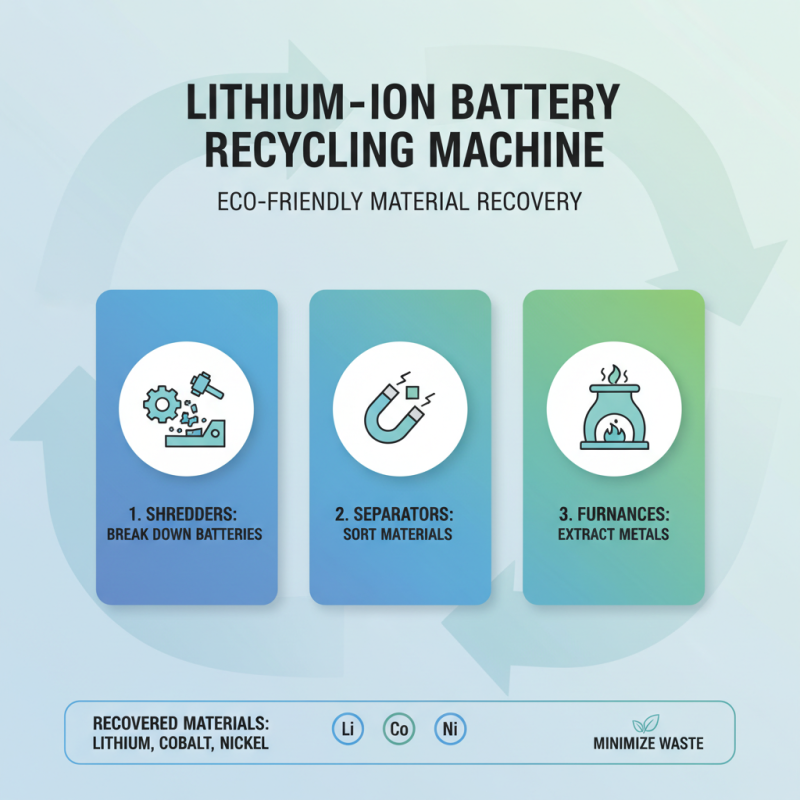
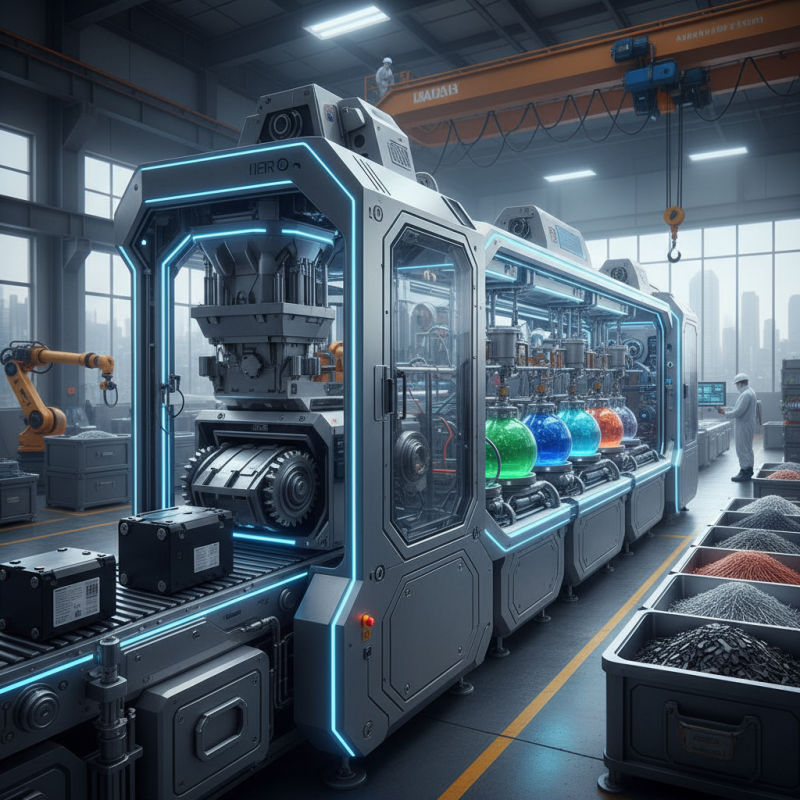
A Lithium Ion Battery Recycling Machine plays a crucial role in today's eco-friendly initiatives. This machine processes spent lithium-ion batteries, extracting valuable materials while minimizing waste. The main components includE Shredders, separators, and furnaces. These parts work together to break down batteries and recover metals like lithium, cobalt, and nickel.
In a Lithium-ion Battery Recycling Plant, the process begins with battery collection. Once there, batteries are carefully sorted based on type and chemistry. Following this, they undergo shredding, which produces smaller fragments. This step is vital for the subsequent separation of materials. While the technology is effective, it's not without challenges. Some methods can be inefficient, yielding lower recovery rates than expected.
Moreover, safety concerns arise during the recycling process. Batteries can be hazardous, releasing toxic substances when damaged. Therefore, workers must follow strict safety protocols. Overall, a Lithium-ion Battery Recycling Machine is an innovative solution, but it requires constant improvement to enhance efficiency and safety. The industry continues to evolve, focusing on better methods and practices.
The Importance of Recycling Lithium Ion Batteries
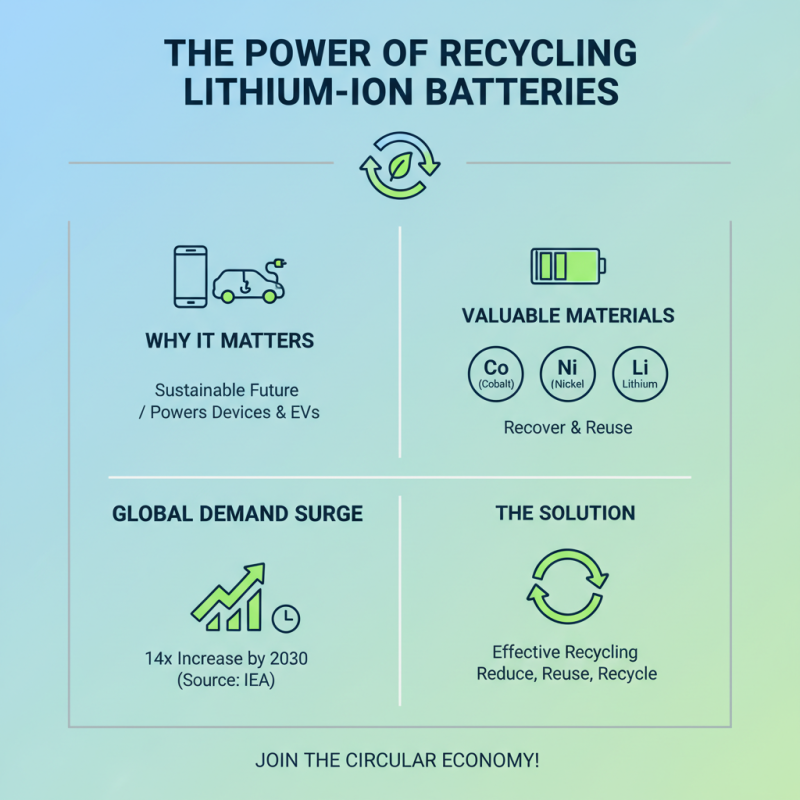
Recycling lithium-ion batteries is critical for a sustainable future. These batteries power our devices and vehicles. However, they contain valuable materials like cobalt, nickel, and lithium. These elements can be recovered and reused. According to a report by the International Energy Agency, global battery demand is set to rise by 14 times by 2030. This surge highlights the need for effective recycling solutions.
Currently, approximately 5% of lithium-ion batteries are recycled. This figure is concerning, considering that an estimated 87% of lithium can be recovered. Inefficient recycling methods lead to environment harm. Toxic materials may leach into soil and water systems. Workers in the recycling industry face health risks as well. A more effective recycling process can mitigate these dangers and enhance material recovery rates.
Advancements in recycling technology are crucial. Innovative machines can separate valuable metals from battery waste. Yet, many facilities lack the capacity to implement such technologies. The gap in infrastructure needs attention. Without proper investment, we may miss a golden opportunity. The transition to a circular economy relies on our commitment to battery recycling.
How Lithium Ion Battery Recycling Machines Operate
Lithium ion battery recycling machines play a crucial role in sustainability. These machines process used batteries to recover valuable materials. The process starts with proper collection of spent batteries. Once the batteries are processed, they move to several stages of crushing and separation. This is where things get interesting. The materials inside the batteries are extracted through mechanical and chemical means.
The heart of the operation lies in how these machines function. They utilize advanced technology to sort and recover components such as lithium, cobalt, and nickel. The Lithium Ion Battery Recycling Processing Equipment operates efficiently but often requires maintenance. Dust and debris can accumulate, affecting performance. Operators might overlook routine checks, leading to unexpected breakdowns.
Additionally, the environmental impact must be considered. While recycling helps reduce waste, the machinery itself requires energy. It’s important to assess the energy consumption versus the benefits. Not all recycling processes are perfect, and inefficiencies can arise. Stakeholders need to focus on improvements, especially in reducing emissions during operation. Ongoing innovation is necessary to enhance the sustainability of Lithium Ion Battery Recycling Processing Equipment.
Key Components of a Lithium Ion Battery Recycling Machine
Lithium-ion battery recycling machines are specialized tools for processing used batteries. These machines play a vital role in recovering valuable materials. Each component within these machines contributes to their efficiency.
The key components include shredders, separators, and chemical reactors. Shredders break down batteries into smaller pieces, making extraction easier. Separators then isolate different materials like lithium, cobalt, and nickel. These metals are crucial for new battery production. Chemical reactors help to purify the recovered materials. They ensure that the materials meet industry standards for reuse.
However, the process isn’t without challenges. Material contamination can impede recovery. Additionally, the technology requires regular maintenance to function optimally. Improving efficiency is a continuous pursuit in this field. Overall, the components work together, yet each element can produce vulnerabilities.
Different Methods of Lithium Ion Battery Recycling
Recycling lithium-ion batteries is crucial for sustainability. There are various methods to achieve this. The most common processes include mechanical, pyrometallurgical, and hydrometallurgical recycling. Each has its benefits and drawbacks, which makes choosing the right method a challenge.
Mechanical recycling involves shredding batteries into smaller pieces. The valuable materials can be separated from the waste. However, this method may not recover all components efficiently. There can be residual materials that end up discarded. Pyrometallurgical recycling uses high temperatures to extract metals. This can be effective but is energy-intensive. High energy costs can deter some facilities from using this method.
The hydrometallurgical approach relies on chemical processes. This method tends to be more environmentally friendly. It can recover metals like lithium, cobalt, and nickel effectively. Yet, it also poses challenges, such as the need for chemical handling and waste management. Each recycling method reflects a balancing act of efficiency, cost, and environmental impact. Improvements are always possible, pushing for better solutions in this evolving field.
Lithium Ion Battery Recycling Methods and Their Efficiency
Environmental Benefits of Recycling Lithium Ion Batteries
Recycling lithium ion batteries is crucial for environmental sustainability. These batteries contain metals like cobalt, nickel, and lithium, which can be harmful if improperly disposed of. The recycling process recovers these valuable materials, reducing the need for mining and minimizing environmental damage. A study from the International Energy Agency (IEA) estimates that recycling could supply more than 30% of global lithium demand by 2030.
A
Waste Cellphone Lithium Ion Battery Recycling Plant can play a significant role in this process. By efficiently recovering materials, these plants can divert waste from landfills. In
2021, it was reported that over
60 million metric tons of lithium ion batteries were produced worldwide, leading to increased waste. Without proper recycling, these batteries pose risks, like groundwater contamination.
Moreover, the
energy saved during recycling is notable. It takes less energy to recycle lithium than to extract it from raw materials. Industry data indicates that recycling can save up to
90% of the energy compared to traditional mining methods. While recycling technologies exist, they still face challenges like
efficiency and
costs. Finding ways to enhance these processes remains a vital area for improvement in battery waste management.
Challenges in Lithium Ion Battery Recycling Technology
Lithium-ion battery recycling faces several significant challenges. A notable issue is the complexity of battery composition. Different chemistries can make the recycling process inefficient. The recycling rate of lithium-ion batteries is currently around 5% to 10%. This is much lower than the target of 90% set by environmental groups.
Another challenge is the safety risks involved. Lithium-ion batteries are prone to fires and explosions when damaged. Facilities need strict safety measures. The Old Lithium Ion Battery Crushing Plant must ensure that all safety protocols are followed. This includes proper training for workers on handling hazardous materials.
The financial aspect also plays a role. The cost of recycling can be high. Many facilities struggle to break even. Reports suggest that it can cost up to $1,500 per ton to recycle lithium-ion batteries. This makes it difficult for businesses to justify investing in recycling technologies. These hurdles demand innovative solutions. The future of battery recycling may require new technologies and methods to achieve better efficiency and safety.
FAQS
: The main methods include mechanical, pyrometallurgical, and hydrometallurgical recycling. Each has its pros and cons.
Mechanical recycling involves shredding batteries. Valuable materials are separated, but not all components are recovered efficiently.
Pyrometallurgical recycling uses high temperatures. This method is energy-intensive and can lead to higher costs for facilities.
This method uses chemical processes to recover metals effectively. However, it requires careful waste management and chemical handling.
The recycling rate is about 5% to 10%, far below the desired 90% target set by environmental advocates.
Lithium-ion batteries can catch fire or explode when damaged. Strict safety measures must be in place at recycling facilities.
High recycling costs can reach $1,500 per ton, making it hard for businesses to justify investments in recycling technologies.
Innovations in technology and methods are needed for better efficiency, safety, and cost management in battery recycling efforts.
Different chemistries in batteries lead to inefficiencies in the recycling process. This complexity makes recovery more difficult.
Proper training for workers is crucial. It ensures they handle hazardous materials safely and follow strict safety protocols.
Conclusion
A Lithium Ion Battery Recycling Machine is a specialized device designed to process and reclaim valuable materials from used lithium-ion batteries. The importance of recycling these batteries cannot be overstated, as they contain critical resources such as lithium, cobalt, and nickel, which can be reused to mitigate environmental impact and reduce the need for raw material extraction. These machines operate through various methods, including mechanical and hydrometallurgical processes, that efficiently separate and recover battery components.
Key components of a Lithium Ion Battery Recycling Machine include shredders, separators, and chemical treatment systems, each contributing to the efficient recycling process. Despite the environmental benefits of recycling lithium-ion batteries, such as reduced waste and lower carbon emissions, the technology faces several challenges, including safety concerns and the need for advanced processing techniques. Overall, improving lithium-ion battery recycling technology is essential for sustainable energy solutions and responsible resource management.