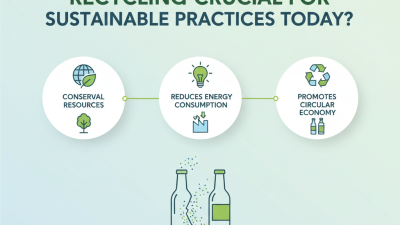
Hey, have you noticed how everyone’s talking about lithium-ion batteries these days? It’s like they’re everywhere—that surge in electric cars and renewable energy storage is really fueling the demand. But honestly, all this growth brings up some pretty legit worries about how sustainable lithium extraction really is. Extracting lithium from the earth can mess up the environment and even drain our resources faster than we’d like.
That’s where Recycling Lithium Powder really comes into play. By recycling old lithium batteries, we’re not just cutting down on waste—we’re also reducing the need to dig up new stuff. It’s a win-win, really. Plus, it helps cut down carbon emissions, which isn’t a bad side effect at all. Companies like Redwood Materials and Umicore are actually doing some pretty cool stuff to make lithium recycling more efficient.
Of course, it’s not all smooth sailing. A lot of batteries aren’t designed with recycling in mind, which makes things tricky. And honestly, we as consumers also have a part to play. Being aware of how to dispose of our batteries properly can really make a difference. As we figure out these challenges, it’s clear that recycling lithium is a super important piece of the puzzle if we want to keep things sustainable down the line.

Importance of Lithium Powder Recycling in Battery Production Sustainability
Lithium powder recycling plays a critical role in battery production sustainability. As battery demand rises, so does the need for responsible sourcing of materials. Lithium, a key component in lithium-ion batteries, is often extracted through methods that can harm the environment. Recycling offers a solution, reducing reliance on virgin materials while minimizing waste.
With advancements in technology, the process has become more efficient. New lithium battery recycling machines for cathode powder enable the extraction of valuable resources from spent batteries. These machines can recover up to 95% of lithium, helping to cut down on pollution and energy use associated with mining. Still, challenges remain. Many facilities lack the infrastructure for effective recycling, and public awareness of these issues is often low.
Investing in recycling technology is essential. It presents a pathway toward a circular economy where materials are reused rather than discarded. Yet, widespread adoption requires collaboration among manufacturers, regulators, and consumers. We must question: are we doing enough to support this transition? Addressing these uncertainties will lead to a more sustainable future in battery production and beyond.
Current Global Demand for Lithium and its Environmental Impact
The global demand for lithium is skyrocketing. This demand primarily comes from the battery industry, especially for electric vehicles. As more people switch to these vehicles, the need for lithium increases. However, this surge in demand has serious environmental implications. Mining lithium consumes vast resources and often harms local ecosystems.
Recycling lithium powder is crucial for reducing environmental impact. It provides a sustainable way to meet demand without further degrading natural resources. Technologies like the Silicon Powder Sorting Recycling Machine enhance recycling efficiency. These machines help reclaim lithium from old batteries, minimizing waste. The process reduces the need for new lithium mining, which is often environmentally damaging.
Yet, the lithium recycling industry faces challenges. Currently, only a small percentage of lithium batteries are recycled. Many consumers are unaware of the benefits of recycling. Additionally, the technology is still evolving. More awareness and investment in lithium recycling are essential to foster a sustainable future. Without significant changes, the environmental costs may continue to rise, posing larger challenges down the road.
The Process of Lithium Powder Recycling: Techniques and Efficiency
Lithium powder recycling plays a crucial role in creating a sustainable future. The recycling process turns spent lithium-ion batteries into reusable materials. High-efficiency techniques are now being developed to optimize this process. For example, hydrometallurgical methods recover up to 95% of lithium from batteries, proving their effectiveness in resource recovery.
Efficient recycling not only reduces waste but also alleviates resource scarcity. According to the International Energy Agency, lithium demand is set to surge by 20 times by 2040. This alarming figure underscores the necessity of developing recycling infrastructures. Yet, the current recycling rate hovers around only 5%. Such statistics highlight a significant gap in our capability to meet future demands sustainably.
Challenges exist within existing recycling methods. Many processes are costly and not widely adopted. Additionally, there’s still a lack of uniformity in collection and processing standards across regions. Companies and policymakers must reflect on these gaps to establish effective, scalable solutions. Investing in innovation will be essential for making lithium powder recycling not just efficient, but also economically viable.
Economic Benefits of Recycling Lithium Powder in the Battery Supply Chain
Recycling lithium powder offers significant economic benefits, especially in the battery supply chain. As electric vehicle production rises, the demand for lithium increases. By recycling lithium, we can reduce dependency on raw material mining. This leads to cost savings and a more stable supply chain.
The process of recycling lithium powder requires investment and innovation. Many companies are exploring efficient methods to reclaim lithium from used batteries. This not only lowers production costs but also minimizes environmental impacts. However, the recycling process still faces challenges, such as technology limitations and market volatility.
Recycled lithium can be sold at competitive prices, benefiting manufacturers and consumers alike. As demand for sustainable practices grows, companies that invest in recycling will likely find themselves at an advantage. There is still a long way to go in perfecting these systems. Continuous research and collaborative efforts are essential for creating effective recycling technologies. The journey for a sustainable future begins with recognizing the true value of recycled lithium.
Regulatory Framework Supporting Lithium Recycling Initiatives
The regulatory framework for lithium recycling is crucial in shaping a sustainable future. Governments and organizations worldwide recognize the environmental impact of lithium extraction. New regulations aim to reduce waste and promote recycling initiatives. Such policies support the growing demand for sustainable practices.
In many regions, recycling programs have been established. These programs create incentives for collection and processing of lithium-ion batteries. The regulations often require manufacturers to take responsibility for their products after the end of their lifecycle. This shift holds companies accountable, pushing them towards innovative recycling technologies.
Still, challenges remain. Many facilities lack the necessary technology for efficient lithium recovery. The regulatory landscape can also vary significantly across countries. Some regions lack stringent guidelines, leading to gaps in recycling efforts. Continued collaboration between regulators and industries is essential for progress. Efforts must focus on creating uniform standards that can enhance recycling efficiency globally.
Case Studies: Successful Lithium Powder Recycling Programs Worldwide
Recycling lithium powder is becoming a crucial practice across the globe. Countries are now establishing successful programs to reduce waste and improve sustainability. In Europe, a notable case involves a facility that processes spent batteries. They recover lithium using advanced methods, significantly reducing environmental impact. This program has shown a recycling rate of over 90%.
Meanwhile, in Japan, another innovative project uses Silicon Powder Sorting Equipment. It efficiently separates valuable materials from lithium-ion batteries. The process not only conserves resources but also minimizes energy consumption. This approach has inspired neighboring countries to adopt similar techniques.
Challenges remain, however. Not all facilities achieve the same high recovery rates. Some lack the technology or infrastructure. There are ongoing discussions about regulations and funding. Countries need to work collaboratively to refine these systems. Improved education on recycling benefits is also essential. Sustainable practices require continuous innovation and community engagement.
Why is Lithium Powder Recycled Essential for a Sustainable Future? - Case Studies: Successful Lithium Powder Recycling Programs Worldwide
| Country | Recycling Program Name | Year Established | Annual Lithium Recycled (tonnes) | Recycling Rate (%) |
| Germany | LithiumRecovery Program | 2018 | 5000 | 80% |
| USA | EcoLithium Project | 2020 | 3000 | 75% |
| Australia | GreenLithion Initiative | 2019 | 6000 | 85% |
| Japan | LithiumLoop Program | 2021 | 4000 | 77% |
| Sweden | Sustainable Lithium Program | 2017 | 2000 | 70% |
Future Trends in Lithium Recycling: Innovations and Challenges Ahead
Innovations in lithium recycling are transforming the landscape. As electric vehicles gain popularity, the demand for lithium increases. This surge creates pressure for efficient recycling methods. A recent trend is the development of advanced recycling technologies that recover lithium from used batteries. These methods can potentially recycle over 90% of lithium content.
Challenges remain, though. For instance, recycling processes can be expensive and complex. Ensuring purity in the recovered lithium is vital for battery performance. Researchers are exploring more cost-effective solutions. However, scalability remains an issue. The industry must address regulatory hurdles and the need for infrastructure improvements.
Moreover, the role of devices like the Black Powder Collector is noteworthy. It aids in collecting and processing valuable materials with precision. This technology contributes to reducing waste and promoting a circular economy. As we seek sustainable practices, innovations like these are crucial.
The journey towards efficient lithium recycling continues, but progress is being made every day.
Optimizing Lithium Battery Recycling: Insights from the 2023 Global Battery Recycling Market Report on Specific Gravity Sorting Equipment
The 2023 Global Battery Recycling Market Report highlights the increasing demand for efficient lithium battery recycling technologies, especially emphasizing the role of specific gravity sorting equipment. As the lithium battery market continues to expand, driven by the surge in electric vehicle production and renewable energy storage, it is essential to optimize recycling processes to recover valuable materials and reduce environmental impact. Specific gravity separators are essential in this context as they enable the effective separation of mixed particles, such as copper and aluminum, from processed lithium battery materials.
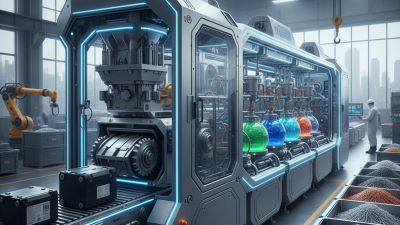
The specific gravity separator comprises a sophisticated setup that includes a swing module, wind system, main frame, and vacuum device. When lithium battery materials are introduced through the material inlet, the system operates based on the density and weight of the materials. This process ensures not only a high level of efficiency in separating valuable metals but also enhances the overall yield from recycling operations. According to industry reports, advances in specific gravity sorting technology could potentially improve recovery rates by up to 30%, a critical factor as the global push towards sustainable battery recycling intensifies.
Furthermore, the collected materials—such as the distinct glass and silicon wafer components—can be sold for further processing in various markets, aligning with the principles of a circular economy. As the industry continues to innovate, the integration of advanced sorting technologies will be paramount in driving down costs, minimizing waste, and meeting the stringent recycling targets established in many regions. The insights from recent market reports underline the need for investment in such innovative solutions, which not only serve to capitalize on the raw materials recovery but also play a pivotal role in fostering sustainable practices in the battery ecosystem.
FAQS
: Lithium demand is increasing due to the growing battery industry, particularly for electric vehicles.
Mining lithium consumes resources and often harms local ecosystems, leading to environmental degradation.
Recycling lithium reduces the need for new mines and minimizes waste, thus protecting natural resources.
Many consumers do not understand the benefits, and only a small percentage of batteries are currently recycled.
New regulations promote recycling initiatives and hold manufacturers accountable for their product's end-of-life stage.
Many facilities lack advanced technologies, and regulations vary significantly, creating gaps in recycling efforts.
New technologies are emerging that can recycle over 90% of lithium from used batteries, enhancing efficiency.
Recycling can be expensive and complex, and ensuring the purity of recovered lithium is essential for performance.
Raising awareness is crucial, as many consumers do not realize the importance and benefits of recycling lithium batteries.
Progress is being made, but continued innovation and infrastructure improvements are needed for better efficiency.
Conclusion
The recycling of lithium powder is crucial for achieving sustainability in battery production, especially amidst the rising global demand for lithium. As the environmental impact of lithium extraction becomes increasingly concerning, the focus on effective recycling techniques is essential. The process of lithium powder recycling not only enhances resource efficiency but also helps mitigate the environmental footprint associated with raw lithium extraction.
Moreover, the economic benefits of integrating lithium powder recycling into the battery supply chain are significant, as it reduces dependency on primary resources and lowers production costs. Supportive regulatory frameworks further promote lithium recycling initiatives. Successful case studies highlight effective programs worldwide that showcase the potential for innovations and the challenges that lie ahead in advancing lithium powder recycling. As the industry evolves, embracing these practices will be vital for a sustainable future.