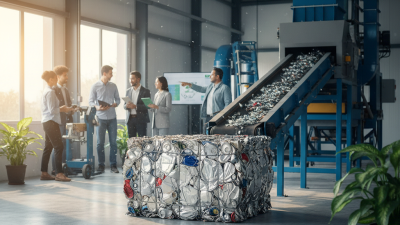
You know, there's been this huge worldwide push towards sustainability lately, and aluminum recycling definitely takes center stage. I came across a report from the International Aluminum Institute that says recycling aluminum saves about 90% of the energy you'd need to produce it from scratch. That’s pretty crazy, right? It really shows just how important it is for global companies to get serious about their recycling game. But let’s be honest — a lot of businesses still struggle figuring out how to manage their waste efficiently.
That’s where [Aluminum Metal Recycling Equipment](https://www.shanshui-zg.com/aluminum-metal-recycling-equipment) comes in. Having the right machines can seriously speed things up and cut down contamination. Even with all these advancements, some companies still hit snags when trying to adopt these tech solutions. Things like proper training and regular maintenance are crucial, but they often get overlooked — probably because they seem trivial, but they really aren’t.
Get this — a study by the Aluminum Association found that only about 25% of collected aluminum gets recycled properly. That’s pretty shocking, considering how much more could be reused. It’s a clear wake-up call that many players in the industry need to rethink their strategies. If global buyers embrace innovation and best practices, they can make a real difference, supporting a circular economy and actually contributing to sustainability efforts. It’s all about working smarter and recognizing that every little step counts, right?
Best Aluminum Metal Recycling Practices for Global Buyers
Aluminum metal recycling has become crucial for global sustainability efforts. For buyers, understanding best practices is essential. Prioritizing high-quality aluminum sources can lead to better outcomes. This includes inspecting materials for contaminants and ensuring they meet specifications. Buyers should also consider sourcing from reputable suppliers who prioritize ethical practices.
Efficiency in sorting materials is vital. Implementing advanced sorting technologies can help separate aluminum from other metals effectively. Manual sorting can be inconsistent and time-consuming, leading to potential losses. Additionally, staying updated on market trends can empower buyers to make informed decisions. Being aware of fluctuating rates helps in negotiations and sourcing.
Partnerships in this industry matter. Building strong connections with scrap yards and suppliers can enhance trust and reliability. Yet, navigating these relationships can be challenging, as not all partners prioritize quality. Buyers may need to invest time in research and verification. This reflects the ongoing need for improvement in the field of Metal And Aluminum Recycling.
Understanding the Importance of Aluminum Recycling in Global Markets
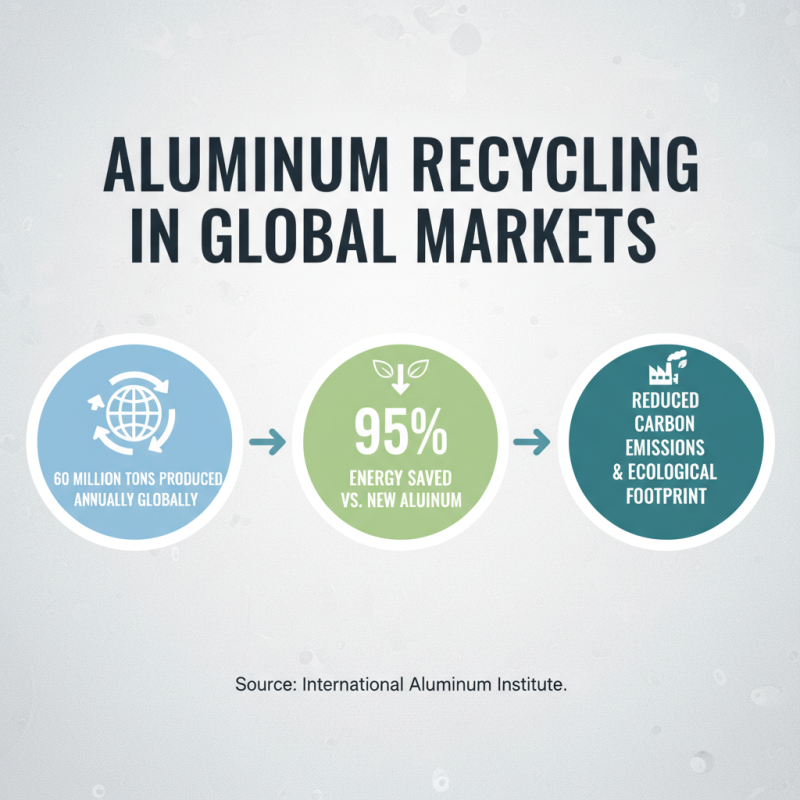
Aluminum recycling plays a crucial role in global markets. With the aluminum industry producing approximately 60 million tons annually, recycling this metal significantly reduces environmental impact. According to the International Aluminum Institute, recycling aluminum saves about 95% of the energy required to produce new aluminum. This drastic energy reduction translates into lower carbon emissions and a smaller ecological footprint.
Efficient recycling practices help maintain the quality of aluminum. Inadequate sorting can lead to contamination, undermining the material’s integrity. The recycling process must be executed with precision, ensuring that impurities are removed effectively. A report from the Aluminum Association states that around 75% of all aluminum produced since the 19th century is still in use today, showcasing the long lifespan of recycled aluminum. There’s a clear need for better education on proper recycling practices for consumers and industries alike.
Despite progress, challenges persist. Not all aluminum products are recycled efficiently. Infrastructure gaps often limit access to recycling facilities, affecting overall recycling rates. The Global Aluminum Recycling Market Report indicates that an increase in recycling rates could yield an additional value of approximately $100 billion by 2025, underscoring the potential of improved Aluminum And Metal Recycling initiatives. Investing in technology and processes can bridge these gaps, ensuring sustainable growth in the aluminum sector.
Key Factors to Consider When Selecting Aluminum Recycling Partners
When selecting aluminum recycling partners, consider several key factors. Strong experience in Aluminum Metal Recycling is crucial. A partner with a proven track record can guide you through the complexities of recycling processes. Look for certifications that demonstrate their commitment to quality and environmental standards. These certifications provide assurance that they adhere to industry best practices.
Tips: Research the facility's recycling technology. Advanced methods ensure higher recovery rates and lower energy consumption. Transparency is equally important. Partners should openly share their recycling practices and processes. Ask for case studies that showcase their success in handling various aluminum products.
Another factor is customer service. Your partner should offer support throughout the recycling process. Prompt communication and problem resolution enhance the overall experience. Remember, a reliable partner not only focuses on profits but also emphasizes sustainability.
Tips: Regular audits can help maintain accountability. Schedule visits to their facility to observe operations firsthand. Reflect on the importance of ongoing relationships. These connections can improve efficiency and foster innovation in Aluminum Metal Recycling practices.
Step-by-Step Guide to Efficient Aluminum Metal Collection Methods
Efficient aluminum metal collection is crucial for global buyers committed to sustainability. Understanding the best practices ensures effective recycling. Start by identifying potential aluminum sources. Construction sites, manufacturing units, and local businesses often have Scrap Aluminum. Create a network with these sources to establish a consistent supply line.
Tips: Regular communication with suppliers enhances trust. Maintain relationships to secure high-quality materials. Building partnerships can significantly improve collection efficiency. Be proactive in exploring new sources; even small businesses can provide valuable aluminum.
Implementing effective sorting methods can streamline your collection process. Use designated containers for different aluminum grades. Training staff on proper sorting techniques reduces contamination and increases value. Disorganization often leads to losses; a systematic approach can rectify this.
Tips: Use color-coded bins for quick identification. Consider regular training workshops to keep your team updated. Document your processes; reviewing them periodically can help identify areas for improvement. Reflect on your current methods; even small changes can have a big impact.
Best Practices for Sorting and Preparing Aluminum for Recycling
Sorting and preparing aluminum for recycling is crucial for achieving high-quality outcomes. Start by collecting aluminum from various sources, such as cans, foil, and scrap metal. Ensure these materials are clean and free from contaminants like food residues or dirt. This cleaning process can be tedious, yet it greatly enhances the value of recycled aluminum.
After cleaning, categorize your aluminum by type. Different grades of aluminum yield different results during recycling. For example, scrap from automotive parts often differs from beverage cans. Understanding these distinctions can help you maximize efficiency in the recycling process. If you mix different types of aluminum, it may lead to lower-quality recycling outcomes.
Lastly, consider the importance of proper storage. Keep aluminum in a dry, organized space. Store similar types together to avoid contamination. Many small mistakes can impact the overall quality. Regularly assess your sorting practices and refine them based on what’s most effective. Small improvements can lead to more reliable recycling and better returns in the long term.
Best Aluminum Metal Recycling Practices: Sorting and Preparation
Innovative Technologies in Aluminum Recycling: Trends and Insights
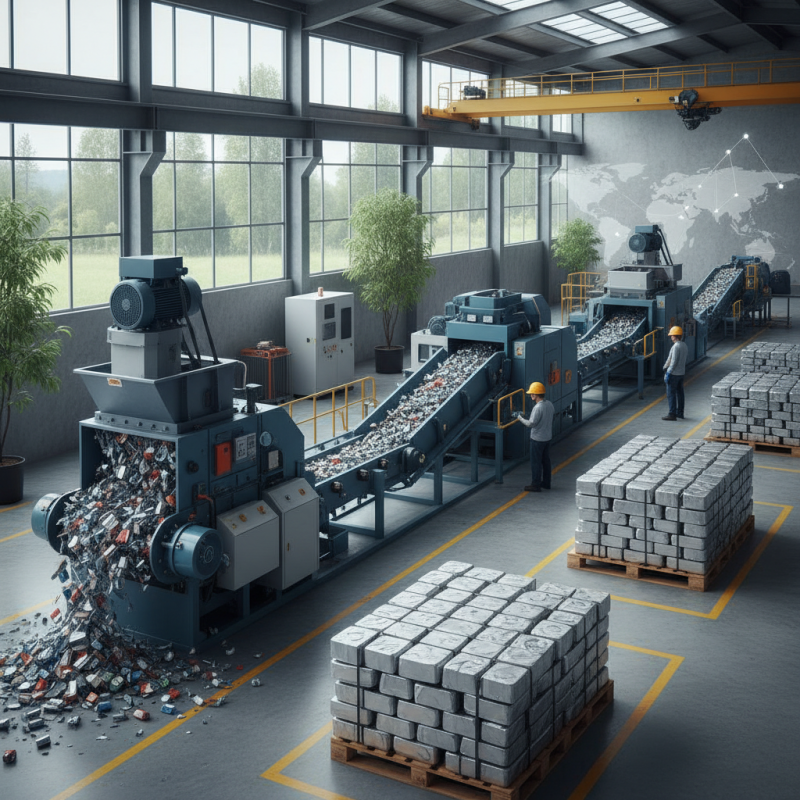
Innovative technologies in aluminum recycling are transforming the industry. These advancements enhance efficiency and reduce environmental impact. For instance, automated sorting systems are now widely used. They significantly improve material recovery rates. Sensors identify and separate aluminum from other materials quickly.
Additionally, new melting technologies are being developed. Electric arc furnaces and induction melting systems consume less energy. This shift not only lowers costs but also diminishes greenhouse gas emissions. The integration of artificial intelligence aids in optimizing recycling processes. Algorithms can predict trends and manage inventory more effectively.
Despite these innovations, challenges remain. Not all facilities can afford upgrades. Training workers on new technologies is essential but often overlooked. Also, fluctuating metal prices can deter investment in advanced systems. Addressing these gaps is crucial for sustainable progress in aluminum recycling. The path ahead is promising yet complex; ongoing adaptation is key.
Compliance and Standards in Global Aluminum Recycling Operations
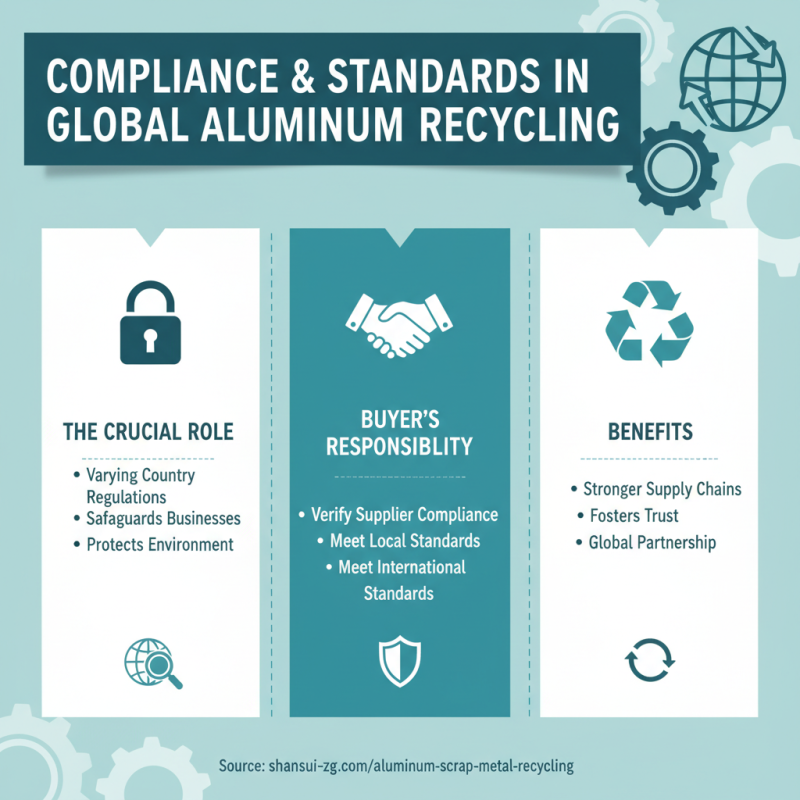
In aluminum recycling, compliance with regulations is crucial. Countries have varying standards for Aluminum Scrap Metal Recycling. Understanding these regulations safeguards businesses and the environment. Buyers must ensure suppliers meet local and international standards. This practice strengthens supply chains and fosters trust among partners.
Tips: Regular audits can identify compliance gaps. Stay updated on changing regulations to adapt quickly. Consider training staff on best practices in aluminum recycling.
Transparency in operations enhances credibility. Providing access to recycling processes shows commitment to sustainability. Many buyers are now looking at the environmental impact of their suppliers. Engaging in responsible Aluminum Scrap metal recycling can attract conscientious partners.
Challenges may arise in maintaining standards. Recyclers must continually assess their strategies. Collecting feedback can highlight areas for improvement. Adapting to new technologies and methodologies ensures relevance in a competitive market. Embracing these practices can elevate an organization's status in the global market.
FAQS
: Aluminum recycling reduces waste and conserves resources. It helps create a sustainable future for our environment.
Buyers should inspect materials for contaminants. Sourcing from reputable suppliers is also essential for maintaining quality.
Sort aluminum by type and keep it clean. Remove food residues and dirt to enhance the value of the recycled material.
Efficient sorting leads to better separation of aluminum from other metals. It helps maximize overall recycling outcomes.
Store aluminum in a dry and organized space. Keep similar types together to prevent contamination and maintain quality.
Buyers may struggle to find reliable partners. Not all suppliers prioritize quality, so researching partners is necessary.
Regularly monitoring prices and trends helps buyers negotiate better. Awareness can guide sourcing decisions effectively.
Regular assessments of sorting techniques can lead to better practices. Even minor changes can yield significant benefits.
Mixing aluminum grades can result in lower-quality recycling outcomes. It's essential to keep different types separate for high-quality recycling.
A thorough cleaning removes contaminants and increases material value. It’s often a tedious but necessary process for effective recycling.
Conclusion
The article titled "Best Aluminum Metal Recycling Practices for Global Buyers" emphasizes the critical role of aluminum recycling in contemporary markets, highlighting its environmental and economic significance. It discusses essential factors for buyers when selecting recycling partners, ensuring compliance with industry standards while maximizing efficiency. A step-by-step guide on aluminum metal collection methods is provided, along with best practices for sorting and preparing aluminum, which are vital for effective recycling processes.
Additionally, the article explores innovative technologies shaping the future of aluminum metal recycling, offering insights into current trends. As global buyers aim to strengthen their recycling efforts, understanding these practices not only enhances sustainability but also engages them in environmentally responsible operations. By adhering to these best practices, industry players can contribute to a circular economy, ensuring a more sustainable future for aluminum recycling.