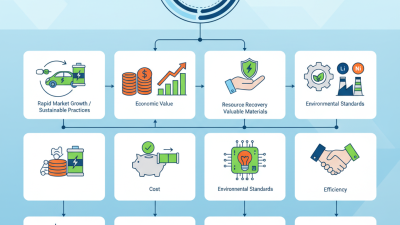
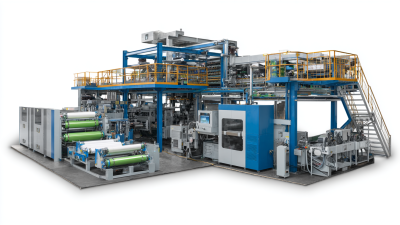
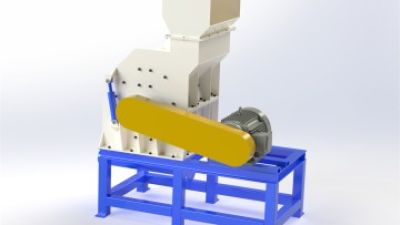
Lately, there's been a real jump in the demand for sustainable solutions, especially when it comes to Waste Lithium Battery Recycling Equipment Production Lines. Companies are finally waking up to how crucial it is to salvaging valuable stuff from old batteries — and let’s be honest, it’s not just about saving the planet, but also about the money that can be made from recycling.
As tech keeps moving forward, quite a few manufacturers have rolled out equipment lines that are designed to handle waste more efficiently. You’ll notice that many of them stress innovation and dependability — which makes sense because in this game, reliability really matters. Still, it’s important to take a close look at how well each of these lines actually works and whether they can adapt as waste volumes grow. Some equipment might be great now, but could struggle when things get busier.
Jumping into investing in one of these recycling lines isn’t without challenges — stuff like upfront costs and ongoing maintenance can add up. But even with those hurdles, the chance to recover valuable materials like cobalt and lithium makes the sector pretty exciting. All in all, the industry is constantly evolving, and this growth hints at a pretty bright future for responsible recycling. It’s a field worth watching!
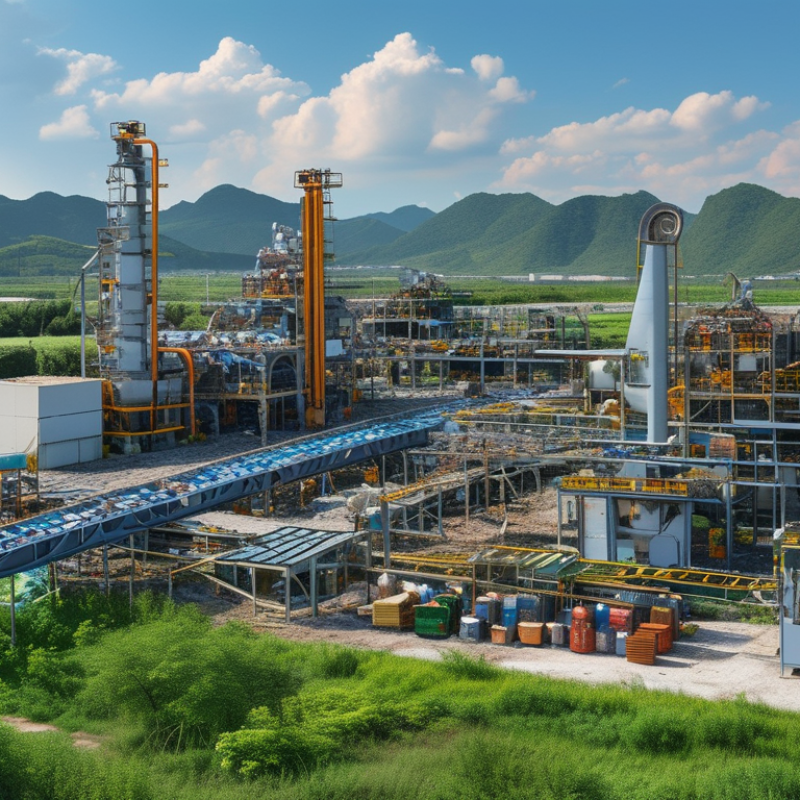
Overview of Lithium Battery Recycling and Its Importance
The recycling of lithium batteries is growing in importance due to rising demand for renewable energy storage. Reports indicate that the global lithium-ion battery recycling market could surpass $2.5 billion by 2027. This potential reflects the urgent need for sustainable solutions in managing battery waste. Recycling helps recover lithium, cobalt, and nickel, precious metals crucial for electric vehicle production and electronics.
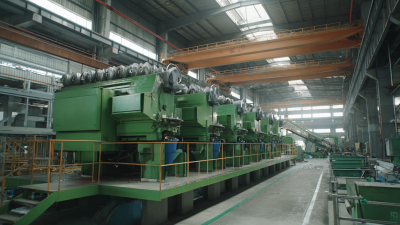
Current methods, including the Lithium battery crushing Recycling Production Line, allow for efficient extraction of materials from spent batteries. However, the industry faces challenges. For instance, safety risks associated with hazardous materials can complicate recycling processes. Additionally, the technology for efficient extraction is still evolving. Some facilities struggle with the balance of cost-effectiveness versus environmental impact.
Aligning with these complexities, the goal is to improve recycling efficiency while minimizing the ecological footprint. Industry leaders emphasize the need for investment in innovative technologies. There's an ongoing discussion about regulatory frameworks to better support recycling initiatives. The combination of advanced equipment and robust policy can enhance recycling rates substantially.
Key Components of Waste Lithium Battery Recycling Equipment
Waste lithium battery recycling equipment plays a crucial role in sustainable management. Understanding its key components is essential for efficient recycling processes. A shredder is a primary element, breaking batteries into manageable pieces. Effective shredding ensures that materials can be separated easily during later stages of recycling.
Another important component is the separator. This device allows different materials, such as metals and plastics, to be isolated. Consequently, it enhances the purity of recycled substances. Additionally, a chemical leaching unit is often integrated. This unit extracts valuable materials, ensuring minimal waste.
Implementing advanced monitoring systems is vital. These systems track real-time data, optimizing performance. However, some equipment can be complex. Training personnel on operational protocols is essential but often overlooked. Addressing these gaps helps improve overall efficiency. It reflects a commitment to proper battery waste management.
Types of Recycling Techniques Used in Lithium Battery Processing
Lithium battery recycling is crucial to address environmental concerns and resource scarcity. Various recycling techniques are employed in this field to recover valuable materials. Pyrometallurgical processes involve high-temperature treatment to extract metals like cobalt and nickel. This method allows for efficient recovery but has significant energy costs. Hydrometallurgical processes, on the other hand, use aqueous solutions for extraction, making them more eco-friendly.
A recent study in the Journal of Sustainable Materials indicates that about 80% of lithium-ion battery components can be recovered through these techniques. However, achieving such efficiency requires advanced technologies and investment in research. Notably, mechanical separation techniques play a vital role in preliminary sorting and crushing of batteries, further enhancing recovery rates.
Tips: Monitor advancements in recycling technologies. Invest in research to improve efficiency. Stay informed about industry trends and regulations. The recycling landscape does face challenges. Not all methods are equally effective, and operational costs can vary widely. This inconsistency highlights the need for continuous evaluation of recycling processes. As the demand for lithium batteries rises, refining these techniques becomes essential for sustainable development.
Top Ten Manufacturers of Lithium Battery Recycling Equipment
When discussing lithium battery recycling, one cannot ignore the significance of the manufacturers behind recycling equipment. These companies play a crucial role in advancing technology and sustainability within the battery recycling industry. The market is evolving, and several manufacturers have emerged as leaders through innovation and efficiency.
A Lithium Battery Separation Plant Production Line is essential for optimal recycling processes. Understanding how these systems work can empower businesses to make informed choices. Look for manufacturers that offer cutting-edge technology and proven results. Their expertise significantly contributes to effective material recovery and environmental preservation.
Tips: Ensure that the manufacturer has a solid reputation. Check reviews and case studies to gauge reliability. It's also wise to explore customer service options. A company that provides support can make a substantial difference during setup and operation. Remember, not every manufacturer will meet your specific needs. Research is crucial to avoid pitfalls that could impact your business.
Top 10 Waste Lithium Battery Recycling Equipment Production Lines
Evaluation Criteria for Selecting Recycling Production Lines
When evaluating waste lithium battery recycling production lines, several criteria come into play. The technology used is paramount. Look for lines that employ advanced processes for maximum recovery rates. Effective separation techniques can dramatically impact efficiency. Another aspect to consider is the automation level. High automation can reduce labor costs and minimize human error, fostering a more reliable operation.
It's also essential to assess the energy consumption of the production line. Eco-friendly options can lead to lower operational costs over time. Additionally, evaluate the space requirements. A well-designed layout helps in optimizing workflow. Consider also the scalability of the line; it should accommodate future growth without major restructuring.
Tips: Always check for certifications and industry standards met by the equipment. This ensures reliability and safety. Don't overlook after-sales support; it's crucial for the longevity of your investment. Lastly, exploring ancillary services can provide integrated solutions, especially beneficial for Waste Solar Panel Recycling Equipment Production Line. This holistic approach can enhance overall efficiency and sustainability.
Innovations and Advancements in Battery Recycling Technology
The battery recycling sector is experiencing notable advancements. Innovations in technologies like the Lithium Battery Crushing And Separating Recycling Line are paving the way for more efficient recycling processes. Recent studies indicate that properly recycling lithium batteries can recover up to 90% of valuable materials. The growing demand for lithium-ion batteries makes this efficiency critical.
New methods focus on reducing energy consumption during recycling. Technologies are emerging that require less energy while maintaining high recovery rates. For instance, recent reports suggest that automated systems can enhance productivity by up to 30%. However, there are still issues regarding the economic feasibility of large-scale implementations. Not every facility can afford these sophisticated technologies.
Further, the environmental aspects require attention. There is a pressing need for sustainable practices to minimize waste and energy use during the recycling process. Some current methods produce hazardous by-products that need addressing. Regulatory bodies are increasingly focusing on these challenges, urging stricter guidelines. The journey toward a more sustainable lithium battery recycling industry is ongoing and full of complexities.
Top 10 Waste Lithium Battery Recycling Equipment Production Lines
| Rank | Equipment Type | Recycling Capacity (tons/year) | Main Features | Innovation Level |
| 1 | Hydrometallurgical System | 20,000 | High recovery rate, low energy consumption | High |
| 2 | Pyrometallurgical System | 15,000 | Efficient metal recovery, high temperature processing | Moderate |
| 3 | Mechanical Shredding Line | 10,000 | Shreds waste, prepares for further processing | Low |
| 4 | Biological Recovery System | 8,000 | Uses bioleaching, eco-friendly | High |
| 5 | Electrochemical System | 12,000 | Selective ion recovery, minimal waste | High |
| 6 | Cobalt Recovery Line | 5,000 | Specifically recovers cobalt from batteries | Medium |
| 7 | Lithium Spodumene Processing | 6,000 | Processes lithium ores directly | Moderate |
| 8 | Hydraulic Separator | 4,000 | Separates materials efficiently, lowers contamination | Low |
| 9 | Treatment Vessel | 3,000 | For chemical treatments and material dissolution | Moderate |
| 10 | Electrostatic Separator | 2,500 | Separates based on electrical properties | High |
Future Trends in Lithium Battery Recycling Equipment Production
The lithium battery recycling industry is evolving rapidly. According to a recent market report, the global lithium battery recycling market is expected to reach $18.5 billion by 2027. This growth is driven by rising demand for electric vehicles (EVs) and renewable energy storage solutions. Emerging technologies will play a crucial role in improving recycling efficiency and reducing environmental impact.
One significant trend is the adoption of advanced hydrometallurgical processes. These methods enable the extraction of valuable metals from spent batteries with minimal energy consumption. Current recycling rates for lithium remain relatively low, around 5%, highlighting the need for improved technologies. The introduction of automated sorting systems is also reshaping the landscape, streamlining the processing of diverse battery chemistries.
Challenges remain, particularly in ensuring safety and handling hazardous materials. Many facilities lack proper equipment to manage chemical risks effectively. Ongoing research into less hazardous extraction methods could enhance safety standards in the industry. Continuous advancements are necessary for achieving sustainability goals. As this sector matures, collaboration between technology providers and recyclers will drive innovation.
Innovative Approaches to Sustainable Energy: The Role of Solar Panel Recycling Equipment in Waste Management
In the pursuit of sustainable energy solutions, the importance of effective waste management for solar panels has gained significant attention. As the adoption of Solar Energy increases, so does the need to address the end-of-life management of photovoltaic systems. One innovative approach to this challenge is the use of solar panel recycling equipment, particularly solar panel crushers. These machines play a crucial role in dismantling and processing old or damaged solar panels, ensuring that valuable materials can be recovered and reused.
Solar panel crushers are specifically designed to dismantle and crush solar panels into smaller fragments. Their main structure typically consists of a feeding device, a crushing host, a power system, transmission components, and a discharging screening system. The operational process relies on high-speed rotating cutters or hammers within the crushing host, which generate strong impact and shear forces to break down the solar panels. This efficient method not only facilitates the recycling of materials such as silicon, glass, and metals but also minimizes the ecological footprint of solar waste.
By integrating solar panel recycling equipment into waste management strategies, we can significantly reduce the environmental impact of solar energy systems while promoting a circular economy. This innovative approach ensures that as the solar industry continues to grow, its environmental sustainability does not come at the expense of resource depletion or increased waste.
FAQS
: Lithium battery recycling is crucial due to the need for sustainable solutions for battery waste.
Valuable materials like lithium, cobalt, and nickel can be recovered from spent batteries.
Safety risks and evolving extraction technology complicate the recycling process.
Investment in innovative technologies and advanced equipment can enhance recycling efficiency.
Properly recycling lithium batteries can recover up to 90% of valuable materials.
Yes, some new methods focus on reducing energy consumption while maintaining high recovery rates.
Large-scale implementations can be costly, making advanced technologies unaffordable for some facilities.
Some methods generate hazardous by-products that need to be addressed to minimize ecological impact.
Regulatory bodies urge stricter guidelines to tackle environmental challenges in battery recycling.
There is a focus on establishing better regulatory frameworks to support recycling initiatives.
Conclusion
The article "Top 10 Waste Lithium Battery Recycling Equipment Production Lines" provides a comprehensive overview of the critical role that lithium battery recycling plays in sustainability and resource recovery. It highlights the key components of Waste Lithium Battery Recycling Equipment Production Lines, which include advanced machinery designed for efficient material extraction. Various recycling techniques are discussed, showcasing methods such as pyrometallurgical and hydrometallurgical processes that facilitate the recovery of valuable materials like lithium, cobalt, and nickel.
The piece also delves into the leading manufacturers of recycling equipment, emphasizing the importance of evaluating production lines based on criteria such as efficiency, technology adoption, and cost-effectiveness. Furthermore, the article explores innovations in battery recycling technology and anticipates future trends that may shape the landscape of waste lithium battery recycling. Overall, the insights provided serve as a valuable resource for understanding the evolving dynamics of waste lithium battery recycling equipment production lines and their significance in the circular economy.