You know, aluminum foil is super common in kitchens and industries alike. But honestly, a lot of people toss out their used foil without giving recycling a second thought. Did you know that in the US alone, we use about 1.5 million tons of aluminum foil each year? Crazy, right? And most of it ends up in landfills — which really wastes a huge opportunity to recycle and reuse. Check out this Aluminum Foil Scrap if you're curious.
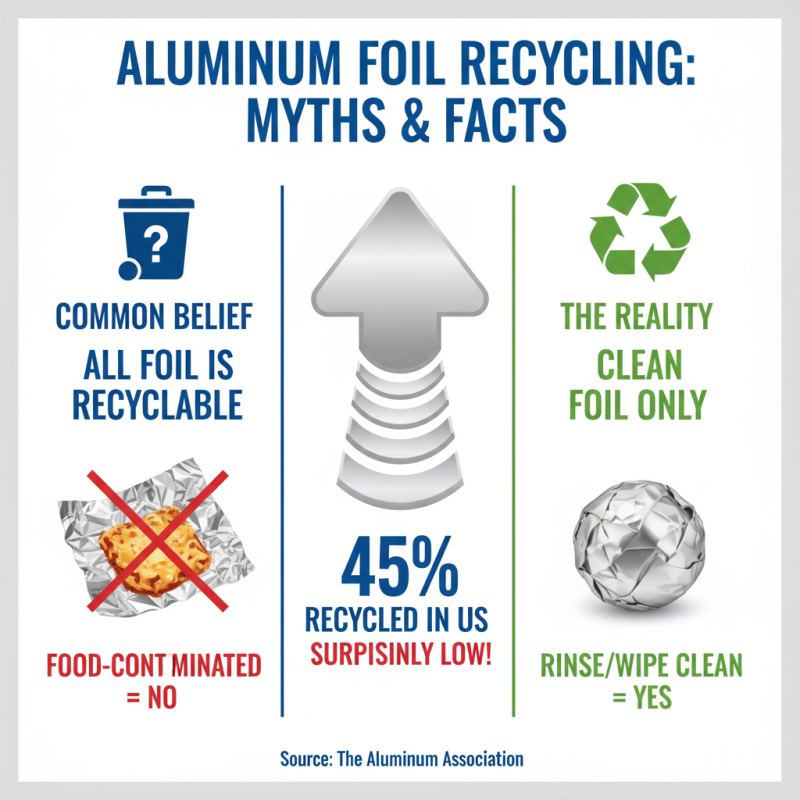
Recycling aluminum foil is actually pretty important. It can slash energy use by up to 95% compared to making new aluminum from scratch. But here’s the thing — a lot of folks misunderstand how to recycle it properly. Many assume that because it’s dirty or greasy, it’s not recyclable. The truth is, clean foil is perfectly recyclable. Once it’s contaminated with food or grease, that’s usually a no-go. There’s definitely some confusion about the right way and the right place to recycle it, which doesn’t help.
If more of us got serious about recycling foil responsibly, it could make a real difference. Companies like Novelis are doing some cool stuff to make recycling more sustainable, but individual actions really matter too. When we learn more and do our part, we can help create a circular economy — where nothing goes to waste. It all starts with just being more informed and willing to make small changes. Trust me, it adds up!”

Understanding the Importance of Recycling Aluminum Foil Scrap
Recycling aluminum foil scrap is crucial for environmental sustainability. Aluminum production is energy-intensive. According to the Aluminum Association, recycling aluminum saves 95% of the energy needed to produce new aluminum. This energy efficiency can lead to significant reductions in greenhouse gas emissions.
Yet, the recycling process isn’t flawless. Many people discard aluminum foil due to the belief that it cannot be recycled. However, this is a misconception. Clean aluminum foil is recyclable. Unfortunately, contamination from food residues can complicate the process. The National Recycling Coalition emphasizes that clean scrap can significantly improve recycling rates.
The lack of public awareness is concerning. Many continue to throw away aluminum foil instead of recycling it. This not only wastes resources but also affects the broader recycling system. Communities must educate citizens about "Aluminum Foil In Recycling" . Simple actions can lead to significant environmental benefits.
Types of Aluminum Foil and Their Recycling Potential
Aluminum foil comes in various forms, each with unique recycling potential. The most common type is food-grade foil, used for wrapping and cooking. When this foil is clean and free of food residue, it can be easily recycled. Clean aluminum foil is valuable; it can be remade into new products.
Another type is heavy-duty foil, often used for grilling or baking. This foil is thicker and more challenging to break down. While it can still be recycled, it requires careful cleaning to ensure it meets recycling standards. Many people overlook this step. Grease and residue can ruin the recycling process.
Lastly, foil packaging, like those used for snack bags, presents a challenge. These blends of materials complicate recycling efforts. Many facilities do not accept this type. It’s essential to educate ourselves about local recycling guidelines. If unsure, consider reducing usage or exploring alternatives. Effective recycling starts with awareness and action.
Recycling Potential of Different Types of Aluminum Foil
Preparing Aluminum Foil for Recycling: Steps to Follow
Recycling aluminum foil is a simple and effective way to help the environment. Preparing aluminum foil for recycling involves several essential steps. Begin by cleaning the foil. Remove any food residues or oils. This ensures it is suitable for recycling.
Next, crumple the foil into a ball. This makes it easier for recycling facilities to process. Aim for a size that is at least two inches in diameter. If you have multiple pieces of foil, combine them. This helps reduce waste and saves space.
Be aware that not all foil is recyclable. Laminated or coated foils are often not accepted. It's crucial to check local recycling guidelines. If you’re uncertain, visit your local recycling center's website. Reflect on your habits. Are you using too much foil? Small changes can lead to big impacts on recycling efforts.
How to Recycle Aluminum Foil Scrap Effectively?
| Step | Description | Tips |
| 1 | Clean the aluminum foil to remove food residue. | Use soap and water, then rinse thoroughly. |
| 2 | Ball the foil into a tight ball to make it easier to recycle. | Ensure the ball is at least 2-3 inches in diameter. |
| 3 | Separate foil from other materials for proper recycling. | Check local recycling guidelines for aluminum foil. |
| 4 | Take the aluminum foil to a recycling center. | Find a nearby location through local waste management sites. |
| 5 | Ensure compliance with local recycling rules. | Always stay updated on recycling practices in your area. |
Where to Find Recycling Centers for Aluminum Foil Scrap
Finding the right recycling center for aluminum foil scrap can be a challenge. Many communities have local facilities, but they're not always easy to locate. Check your local waste management website for a list of recycling centers nearby. Some may accept aluminum foil, while others may focus only on specific types of metal. Don't forget to call ahead; policies often change.
Local grocery stores or large retail chains might have collection bins for aluminum recycling. These bins are sometimes part of a larger initiative to reduce waste. You might also find community eventsthat focus on recycling, providing a convenient option to dispose of your Scrap Aluminum. Remember, not all aluminum is recyclable in the same way. Some centers may not accept foil that is contaminated with food residues.
It's essential to prepare your scrap aluminum properly. You should clean it to maximize its recycling potential. Yet, people often overlook this step, leading to contamination issues. Many may think that crumpled foil is enough, but it ideally should be flattened. Recycling centers can only work efficiently when the material is in good condition. Be mindful of these details when participating in Scrap Aluminum Recycling.
The Recycling Process: How Aluminum Foil is Recycled
Recycling aluminum foil is a crucial step in waste management. The recycling process begins with collecting used aluminum foil. It is essential to ensure the foil is clean, as food residues can contaminate batches. According to the Aluminum Association, recycling aluminum saves about 90% of the energy required to produce new aluminum. This energy conservation is vital for reducing overall carbon emissions.
Once collected, the aluminum foil is sorted and cleaned. In many facilities, it is processed alongside other aluminum products. It is shredded into smaller pieces to facilitate melting. Aluminum pieces are then heated to their melting point, approximately 660 degrees Celsius. This melts the foil into a molten state, allowing impurities to be removed. The clean aluminum can then be molded into new products.
Tips: Rinse your aluminum foil before recycling. Contamination can lead to higher processing costs. Try to flatten your foil sheets. Smaller pieces are harder to recycle. Using aluminum foil sparingly can also reduce waste. Consider alternatives when possible. It’s not just about recycling; it’s about reducing the use as well.
Benefits of Recycling Aluminum Foil Scrap for the Environment
Recycling aluminum foil scrap has significant benefits for the environment. Aluminum is highly durable and can be recycled many times without losing quality. This process conserves natural resources and reduces energy consumption. Recycling just one ton of aluminum can save almost 8,000 kilowatts of energy. This is enough to power an average home for over three months.
Tips for effective recycling include cleaning the foil before disposal. Greasy or food-soiled foil can complicate the recycling process. It’s important to gather clean scraps together. Rinsing them with water can help. You may also want to flatten the foil. This saves space in your recycling bin.
Another thought is to check local recycling guidelines. Not all communities accept aluminum foil, and knowing these rules is crucial. You might even consider using alternative materials when possible. But if you choose aluminum, recycling makes a positive impact on the planet. By embracing Aluminum Scrap Recycling, we contribute to a cleaner, greener world.
Common Misconceptions About Recycling Aluminum Foil and Facts
Recycling aluminum foil is often misunderstood. Many people think that all aluminum foil can be tossed in with regular recycling. In reality, some recycling centers do not accept food-contaminated foil. According to the Aluminum Association, only about 45% of aluminum is recycled in the U.S. This is surprisingly low given its recyclability.
Common myths exist around aluminum recycling. Some say that shiny foil and dull foil require different processing. In fact, both types are made from the same material. A report from the Institute of Scrap Recycling Industries suggests that recycling aluminum can save up to 95% of the energy needed to produce new aluminum. This incredible statistic highlights the importance of aluminum recycling.
Tips for effective recycling include: rinse foil clean before recycling. Ensure that it’s free from food particles. This can significantly improve the chances of it being accepted. If you have Aluminum Wire Scrap, treat it similarly. Clean and sort it to enhance its recycling potential. Always check local guidelines; not all areas manage Aluminum Scrap the same way. Keeping these details in mind makes recycling more efficient.
Leveraging Industry Insights: The Essential Role of Waste Solar Panel Aluminum Frame Removal Machines in Sustainable Recycling Practices
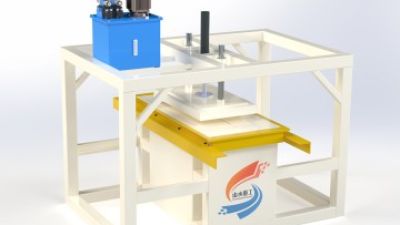
The rising global emphasis on sustainability has highlighted the need for effective waste management solutions, particularly in the renewable energy sector. Waste Solar Panel aluminum frame removal machines play a pivotal role in facilitating sustainable recycling practices by enabling the efficient dismantling of photovoltaic module frames. With the ability to disassemble an entire panel in just 15 seconds, these machines significantly reduce the time and labor involved in recycling processes, promoting an eco-friendly approach to solar panel disposal.
The automation aspect of these removal machines enhances operational efficiency, allowing for high throughput and minimizing manual intervention. As a result, businesses in the renewable energy sector can capitalize on a low-investment, high-return model that not only addresses the growing issue of solar waste but also aligns with broader environmental goals. In an industry where the longevity of materials and resource recovery is crucial, integrating such advanced dismantling equipment can pave the way for more sustainable practices, ultimately contributing to a circular economy.
FAQS
: Try restarting your device. If that doesn't work, check online forums for similar issues.
Create a dedicated workspace. Limit distractions by setting specific work times and taking regular breaks.
Exercise boosts your mood and energy levels. It also helps maintain a healthy weight and improves sleep quality.
Practice mindfulness techniques. Deep breathing or meditation can help. Talk to someone about your feelings.
Yes, many people feel this way. It’s important to acknowledge these feelings and seek support if needed.
Schedule them like appointments. Start with short sessions, and gradually increase the time as you adjust.
Focus on whole foods, like fruits and vegetables. Plan meals ahead to avoid unhealthy last-minute choices.
Begin with small, manageable changes. Consistency is key. Track your progress to stay motivated.
Reflect on your priorities. Set clear boundaries to separate work hours from personal time.
Talking to someone can provide new perspectives. It’s a brave step towards healing and finding solutions.
Conclusion
Recycling aluminum foil scrap is essential for reducing waste and conserving resources. Aluminum foil comes in various types, each with different recycling potentials. Proper preparation of this scrap involves cleaning and drying it before taking it to recycling centers, where the recycling process effectively transforms used foil into new products. By understanding these steps and the benefits associated with recycling aluminum foil scrap, individuals can contribute positively to environmental conservation.
Furthermore, addressing common misconceptions about aluminum foil recycling helps improve public awareness and participation in recycling programs. Recognizing the value of aluminum foil scrap not only benefits the environment but also promotes sustainable practices. Engaging with local recycling initiatives can significantly impact waste reduction and resource preservation.