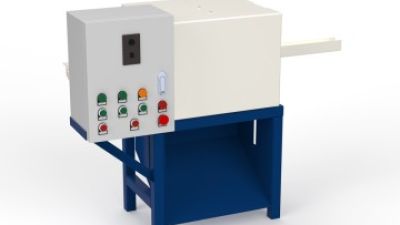
Let's be honest, in today’s world, recycling is more important than ever, right? A Glass Cullet Machinereally takes center stage in this whole effort. It’s pretty great at turning Glass Waste into usable cullet, which helps cut down on landfill clutter and saves resources too. You see, more and more industries are jumping on the sustainable bandwagon — it’s like the right thing to do, and good for business as well.
If you’re thinking about implementing a Glass Cullet Machine, it can really make things smoother on your end. Companies often find that they lower costs and boost their eco-friendly reputation at the same time. But here’s the thing — not all machines are created equal. Picking the right one isn’t just about how fancy it looks or how high the efficiency claims are; you gotta dig a little deeper.
Do your homework, understand what your needs really are, and don’t forget to check out the supplier’s reputation — that stuff matters. Making an educated choice can really pay off in the long run. Sure, a Glass Cullet Machine might seem like a simple investment, but honestly, it can have a pretty big impact on how well your recycling process works. Embracing this kind of technology could open up some pretty exciting pathways for sustainability and keep you ahead of the game.

Advantages of Using a Glass Cullet Machine in Recycling Processes
The glass cullet machine offers significant advantages in recycling processes. It streamlines operations by efficiently crushing glass into smaller, uniform pieces. According to the Glass Packaging Institute, recycled glass can reduce energy use by up to 30%, making the recycling process more sustainable. Additionally, using a Glass Cullet Crusher can minimize the volume of waste sent to landfills, which is crucial given that over 12% of municipal solid waste is glass.
Incorporating glass cullet machines can also enhance product quality. When glass is finely crushed, it can be remelted into new glass products with fewer defects. The National Recycling Coalition notes that using cullet in the manufacturing process can lower melting temperature by 20%. This leads to lower greenhouse gas emissions and resource consumption. However, there are challenges. Managing the cleanliness of cullet is vital as contamination can affect the recycling outcome.
Effective integration of a glass cullet machine requires proper training and maintenance. While many facilities benefit greatly, some may struggle with the initial costs and operational complexities. Ongoing evaluation of efficiency and output quality is essential. An effective Glass Recycling program balances cost, efficiency, and sustainability, making it a vital resource for a greener future.
Understanding the Functionality of Glass Cullet Machines
Glass cullet machines play a crucial role in the recycling industry. They effectively crush and process used glass into cullet. This cullet can be reused in manufacturing new glass products. According to a report by the Glass Recycling Coalition, recycling glass saves approximately 30% of the energy required to produce new glass. This energy efficiency is significant as it helps reduce the carbon footprint of glass production.
These machines enhance the recycling process by ensuring uniformity in size and quality of cullet. A study by the U.S. Environmental Protection Agency (EPA) indicates that glass can be recycled indefinitely without losing quality. However, not all glass recycling systems are efficient. Some facilities struggle with contamination and size inconsistency. This often leads to rejected batches and material losses.
Tips for optimizing glass recycling include regular maintenance of machines and training staff on proper handling methods. It's essential to monitor the quality of incoming materials. Additionally, educating the public about proper disposal can significantly reduce contamination rates. Encouraging communities to participate in local recycling programs also boosts the effectiveness of glass cullet machines. Investing in technology that addresses these challenges can lead to better recycling outcomes.
Types of Glass Cullet Machines Available in the Market
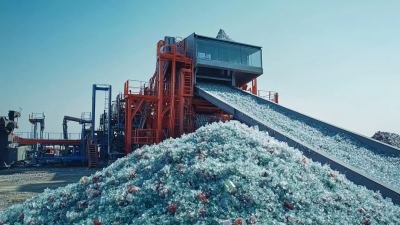
When considering glass recycling, glass cullet machines can be a vital asset. They come in various types, each designed to meet specific needs in the recycling process. These machines crush and sort glass effectively, enabling efficient Glass To Glass Recycling. For instance, there are impact crushers, hammer mills, and grinding mills. Each type serves a unique function, tailored to different glass types and project scales.
A recent industry report indicates that the demand for glass cullet machines is projected to grow by over 5% annually. This growth is driven by the increasing focus on sustainability and the circular economy. Operators often struggle to select the right machine due to varied requirements. Understanding your glass sources allows for better machine selection. Always assess the type of glass waste you have before making a decision.
Tips: Regular maintenance of your glass cullet machine enhances performance. Additionally, consider training staff on the equipment’s capabilities. This can prevent common operational errors. Understand local regulations regarding glass waste management as well. The wrong machine can lead to increased costs and decreased efficiency in your recycling operations.
Key Features to Look for in a Glass Cullet Machine
When selecting a glass cullet machine, it's essential to consider several key features. One critical aspect is the machine's efficiency in crushing and processing glass. An ideal machine should produce a consistent size of cullet, which enhances the recycling process. Look for machines that provide adjustable settings for different glass types, especially for Pv Glass Glass. This flexibility allows operators to customize the processing based on specific recycling needs.
Another vital feature is the durability of the machine. Given the nature of glass, a robust design can withstand the wear and tear of constant operation. Machines made with high-quality materials not only last longer but require less maintenance. Additionally, observe how easy it is to service or repair the machine. Complex designs can lead to higher downtime if issues arise.
Moreover, consider the energy efficiency of the glass cullet machine. Machines that consume less power can significantly reduce operational costs. Inspecting user reviews can provide insights into real-world performance, as well as any recurring issues. These details help you make a more informed decision. It's important to explore various options, as no machine is perfect. Keep an open mind and reflect on the long-term implications of your choice.
The Impact of Glass Cullet Machines on Sustainability Efforts
Glass cullet machines play a vital role in enhancing sustainability efforts. These machines process discarded glass into small, recyclable pieces, significantly reducing the amount of waste sent to landfills. The efficiency of these machines leads to lower carbon emissions during glass production. When recycled glass is used, it requires less energy compared to producing new glass. This shift not only conserves resources but also aligns with environmental goals.
Tips for maximizing the impact of glass cullet machines include regular maintenance and staff training. Keep machines well serviced to ensure peak performance. Training helps workers understand the recycling process better, promoting efficiency. Using advanced sorting techniques can also improve the quality of cullet produced, which is crucial for manufacturers seeking high-grade materials.
Glass recycling is not without its challenges. Contaminants in glass can hinder the recycling process. It's important to educate the community on proper disposal methods to minimize contamination. Being aware of these issues can lead to continuous improvement in recycling practices. Addressing these imperfections can greatly enhance the overall effectiveness of glass cullet recycling efforts.
Why Choose a Glass Cullet Machine for Your Recycling Needs? - The Impact of Glass Cullet Machines on Sustainability Efforts
| Dimension | Description | Impact on Sustainability | Efficiency Rating |
| Energy Consumption | Amount of energy used per ton of glass processed | Lower energy use contributes to reduced carbon emissions | 85% efficiency |
| Material Recovery Rate | Percentage of glass cullet successfully recovered for recycling | Higher recovery rates enhance the sustainability of glass production | 90% recovery |
| Water Usage | Amount of water consumed during the processing | Efficient water use helps in sustainable resource management | Low water consumption |
| Operational Lifespan | The expected operational duration of the machine | Longer lifespan reduces waste and resource consumption | 10+ years |
| Cost Savings | Financial savings in operations and material costs | Saves money and reduces financial impact on recycling programs | Up to 20% savings |
Cost-Effectiveness of Glass Cullet Machines for Recycling Facilities
Glass cullet machines play a significant role in recycling facilities, particularly regarding cost-effectiveness. Recycling experts report that utilizing cullet can reduce energy consumption by up to 30% in glass production. By using cullet instead of raw materials, companies save money on both production costs and raw material expenses.
Moreover, the initial investment in glass cullet machines can be recouped quickly. A study from the Glass Recycling Coalition indicates that facilities can achieve a return on investment within two years. This is crucial for operators striving to maximize profits while minimizing costs. Additionally, effective glass recycling processes can lead to lower landfill fees and reduced environmental impact, which will also reflect positively on a facility's bottom line.
However, it's important to recognize the ongoing challenges in implementing these machines. Maintenance and operational efficiency can sometimes pose hurdles. Staff training is essential to ensure the machines operate at peak performance. Investing in training programs may incur additional costs but is vital for achieving long-term savings. Adopting glass cullet machines requires thoughtful planning, but they provide substantial long-term benefits in recycling operations.
Best Practices for Operating and Maintaining Glass Cullet Machines
Operating and maintaining a glass cullet machine requires careful attention. Regular checks on the machine's components ensure smooth functionality. Address issues such as wear and tear early on. Inspect blades and screens weekly. This helps prevent larger problems down the line. A small crack can escalate quickly if ignored.
Training operators is crucial. They should understand the nuances of glass recycling. Knowledge about the materials being processed is also vital. For instance, not all glass is suitable for recycling in every situation, especially concerning Glass Glass Pv Module. A poorly educated staff may lead to improper sorting or processing.
Daily maintenance tasks cannot be overlooked. Cleaning any remnants of glass is essential. This not only ensures quality output but also enhances safety. Reports from operators should be reviewed consistently. Reflections on performance allow for ongoing improvements. Continuous learning is key to sustaining efficient operations in the recycling sector.
Innovative Solutions for Efficient Waste Solar Panel Aluminum Frame Impurity Removal and Recycling Processes
The growing demand for renewable energy solutions, particularly Solar Power, has necessitated innovative approaches to recycling materials associated with solar panels. Among these solutions, the waste solar panel aluminum frame impurity removal machine stands out due to its efficiency in streamlining recycling processes. This mechanical device is designed specifically to remove residue from the aluminum frame of solar panels, a crucial step in enhancing the recyclability of these components. It boasts a robust structure, ensuring durability in industrial applications, while its high-quality internal components guarantee performance consistency.
In the recycling sector, the cleanliness of recycled materials significantly influences their market value. According to industry reports, approximately 90% of the aluminum in solar panel frames can be recycled if impurities are effectively removed. This makes the deployment of specialized machinery like the aluminum frame impurity removal machine essential for improving processing quality. By utilizing precise mechanical movements, this device can effectively eliminate various residues that may hinder recycling efforts, thus promoting a more sustainable approach to solar panel lifecycle management.
Furthermore, as regulatory frameworks around e-waste and recycling tighten, organizations are increasingly seeking efficient solutions that comply with environmental standards. The operational efficiency and effectiveness of the waste solar panel aluminum frame impurity removal machine can significantly contribute to achieving sustainability goals within the solar industry. As the market continues to grow—with projections estimating a rise in solar energy adoption by over 20% annually—investing in advanced recycling technologies will be vital for ensuring that solar energy remains a clean and responsible energy source.
FAQS
: They crush and sort glass for recycling. This enhances the efficiency of the recycling process.
There are impact crushers, hammer mills, and grinding mills, each serving unique functions.
Assess your glass waste type. Understanding your sources helps in making an informed decision.
It enhances machine performance and prevents common operational errors. Neglecting maintenance can lead to problems.
Look for efficiency in crushing, durability, and energy consumption. Adjustable settings for different glass types are helpful.
High-quality materials ensure longer-lasting machines. They also tend to require less maintenance over time.
Yes, machines that consume less power can lower operational costs significantly.
Reviews provide insights into real-world performance and recurring issues. This information aids in making an informed choice.
Complex designs often lead to higher downtime for repairs. A simpler design can make servicing easier.
Yes, many machines offer adjustable settings for different glass types. This flexibility meets specific recycling needs.
Conclusion
The article "Why Choose a Glass Cullet Machine for Your Recycling Needs?" explores the numerous advantages of integrating glass cullet machines into recycling processes. These machines are essential for efficiently processing glass waste, significantly enhancing the recycling workflow by crushing glass into smaller, manageable pieces. Understanding the functionality and types available in the market allows recycling facilities to select the machine that best fits their operational needs. Key features, such as durability and efficiency, should be prioritized to ensure optimal performance.
Moreover, glass cullet machines contribute positively to sustainability efforts by promoting recycling and reducing landfill waste. Their cost-effectiveness makes them an attractive investment for recycling facilities looking to improve their processes. Lastly, best practices for operating and maintaining these machines are crucial for maximizing productivity and longevity. Overall, the adoption of glass cullet machines is a pivotal step towards more efficient and sustainable recycling practices.