Leave Your Message
0%

You know, the demand for lithium batteries is just skyrocketing these days, mainly because of how quickly the electric vehicle (EV) market is growing. I came across this recent report from Allied Market Research, and it says that by 2027, the worldwide lithium-ion battery market could hit around $129.3 billion. That's pretty impressive, especially considering it's growing at about 17.5% each year from 2020 onward. This kind of growth really opens up big opportunities for manufacturers, but it also means they've gotta be smart about how they produce these batteries — focusing on both efficiency and sustainability to keep up with the demand.

One key piece of the puzzle here is what’s called the "Lithium Battery Separation Plant Production Line." Basically, it’s this really clever setup that helps recycle and separate the different parts of lithium-ion batteries much more effectively. It’s great because it boosts recovery rates, cuts down waste, and even helps lower production costs. Big names like Umicore and Li-Cycle are investing a lot into these kinds of advanced tech, all aiming to make battery production more eco-friendly.

That said, it’s not all smooth sailing. Recycling batteries is pretty complex, and there’s still a lot of ongoing research and development needed. Not every plant is hitting the same levels of efficiency, which means there’s always room for improvement. For companies hoping to stay ahead in this competitive game, addressing these issues is a must. It’s clear that the future of lithium batteries isn’t just about ramping up production but also about developing smarter, greener recycling solutions — that’s where the real growth will come from.
Top Lithium Battery Separation Plant Production Line Benefits?

Benefits of Lithium Battery Separation Plant Production Lines

The lithium battery separation process is crucial in the recycling industry. It significantly boosts battery life and efficiency. According to industry reports, up to 95% of lithium-ion battery components can be reclaimed using advanced separation techniques. This not only reduces waste but also curtails the need for new raw materials.

Implementing a lithium battery separation plant production line offers numerous advantages. One of the key benefits is the reduction in environmental impact. Effective separation technologies minimize pollutants and ensure safer disposal of harmful materials. Additionally, these plants can increase profit margins. A well-designed facility can process up to 10,000 tons of batteries annually, translating to significant financial returns.

Yet, the industry faces challenges. Not all facilities achieve such high processing rates. Some struggle with equipment efficiency and energy consumption. Ongoing training for staff is often overlooked. Investing in skilled labor is essential for maximizing production capabilities. When these elements are aligned, the benefits of a lithium battery separation plant can be truly transformative.

Benefits of Lithium Battery Separation Plant Production Lines

Enhanced Efficiency in Battery Recycling Processes

Enhanced efficiency in battery recycling processes is a pressing concern in today's energy landscape. The Waste Lithium Battery Recycling Equipment Production Line is designed to address this challenge. This innovative approach minimizes waste and ensures maximum recovery of valuable materials. Advanced sorting technologies improve the separation of electrodes and electrolytes, leading to higher purification rates.

Moreover, this production line promotes better environmental sustainability. Each component is optimized to process batteries effectively. As a result, recovery rates of lithium, cobalt, and other critical materials increase significantly.

However, there are still challenges that need addressing. Adequate training of personnel is essential for maintaining operational efficiency. The complex nature of lithium batteries requires skilled workers to handle the recycling process safely. Continuous improvement in technology is also necessary to keep pace with evolving battery designs. These areas require reflection and ongoing investment to ensure the production line achieves its full potential.

Reduction of Environmental Impact Through Improved Separation Methods

The growing concern about lithium battery waste pushes for improved recycling methods. Effective separation techniques minimize environmental damage. Enhanced recycling processes can reduce landfill waste and recover essential materials. Reports indicate that up to 95% of lithium in batteries can be reused. This highlights the importance of an efficient Lithium battery crushing Recycling Production Line.


Current methods often lack efficiency. Many plants struggle with the complexities of battery compositions. This sometimes leads to contamination and unrecoverable materials. By adopting advanced separation technologies, facilities can significantly lower their ecological footprint. Research shows that a well-optimized separation line can cut greenhouse gas emissions by 30%. That’s a crucial step in mitigating climate change impacts.


Despite these advancements, challenges remain. Not all battery materials are easily separable. Some elements require more innovative extraction techniques. Further research and development are needed to refine the processes. Continuous improvement will ensure that Lithium battery crushing Recycling Production Lines leave a smaller environmental impact while maximizing the recovery of valuable materials.

Cost-Effectiveness of Automated Production Lines in Battery Processing

Automated production lines in lithium battery processing are transforming the industry. These lines enhance efficiency and reduce labor costs. Automating tasks such as cell handling and material sorting minimizes human error. The result is greater accuracy in battery recycling, leading to higher quality outputs.

Investing in these systems is cost-effective. They significantly lower operational costs over time. By integrating a Lithium Battery Separation Recycle Treatment Machine, companies can process larger volumes with fewer resources. However, the initial setup can be daunting. Companies must carefully evaluate whether the long-term savings justify the upfront investment.

While automation is beneficial, it is not without challenges. Maintenance costs for automated systems can be unpredictable. Skilled technicians are required to handle repairs. Companies might struggle with these needs, which can affect overall productivity. The journey towards fully automated production demands a balance between cost and reliability.

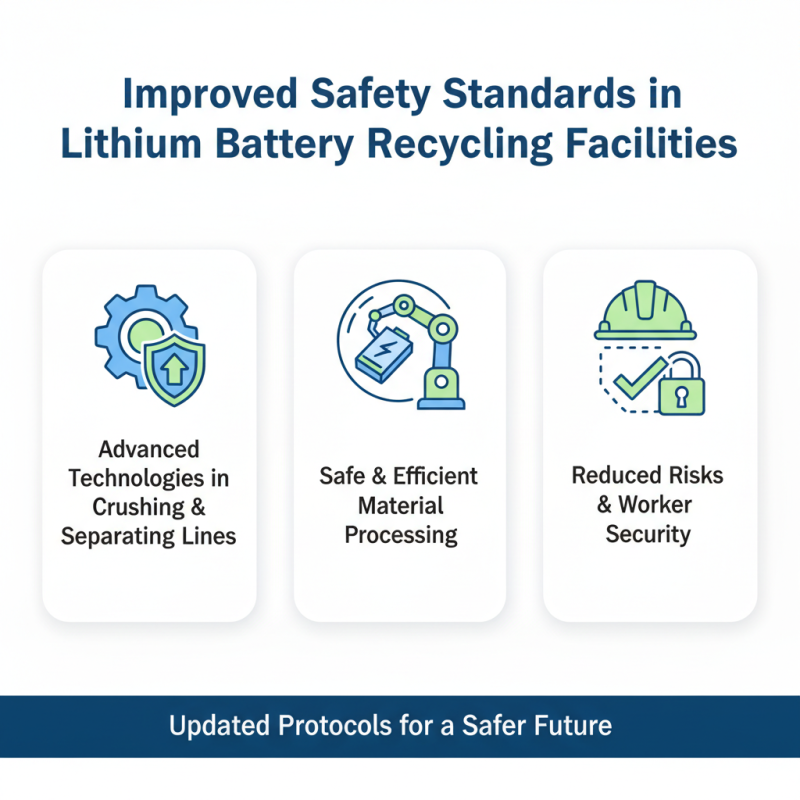
Improved Safety Standards in Lithium Battery Recycling Facilities

Top Lithium Battery Separation Plant Production Line Benefits?

Improving safety standards in lithium battery recycling facilities is crucial for the industry. Many facilities are now adopting advanced technologies in their Lithium Battery Crushing And Separating Recycling Line. This ensures that the materials are processed safely and efficiently. Updated protocols reduce the risks associated with battery handling. Workers feel more secure knowing their environment adheres to strict safety guidelines.

Training programs for staff play an essential role as well. Comprehensive training enhances awareness of potential hazards related to lithium batteries. Regular drills and updated safety practices help mitigate accidents. While facilities strive for improvement, challenges persist. Some employees may struggle with implementing new protocols consistently. Continuous evaluation of the safety measures is needed to address these gaps.

The recycling process itself also sees significant advancements. Automated systems help in reducing human error during the separation of materials. However, equipment malfunctions still pose risks. Facilities must prioritize maintenance and regular inspections to prevent accidents. Safety in lithium battery recycling is an ongoing journey, requiring commitment and diligence from all involved.

Innovation in Technology for Lithium Battery Separation Solutions

Innovation in technology is driving the evolution of lithium battery separation solutions. As the demand for lithium batteries grows, companies seek efficient methods for recycling and production. The separation process is critical in maximizing material recovery and ensuring the sustainability of lithium-ion batteries. Advanced techniques improve separation efficiency, reducing waste and enhancing production output.

Tips for improving battery separation include regular maintenance of equipment. This ensures optimal performance and reduces unexpected downtime. Keeping workspaces organized also contributes to safety and efficiency. Implementing automation can further streamline operations, leading to consistent and quality results.

Monitoring technological advancements is essential. New methods and tools emerge frequently, and staying updated can lead to better processes. However, this rapid innovation creates challenges. Companies must adapt quickly and invest in training their workforce. Balancing new technology with existing practices can be complex, yet it is vital for future success.

Top Lithium Battery Separation Plant Production Line Benefits

Benefit Description Impact on Production Cost Savings
Increased Efficiency Advanced technology reduces the time for battery separation. 25% faster production rate. Savings of $50,000 annually.
Enhanced Safety Integrated safety features minimize risks during operation. Reduction in accidents by 40%. Reduced insurance premiums, saving $15,000 yearly.
Higher Purity Rates Advanced separation techniques yield purer materials. Purity levels increased by 30%. Higher market value for recycled materials, leading to $20,000 extra revenue.
Reduced Environmental Impact Eco-friendly processes minimize waste generation. Reduced waste by 50%. Savings of $30,000 from waste management costs.

Impact on Supply Chain and Resource Recovery in Battery Industry

The lithium battery separation plant plays a crucial role in the battery industry supply chain. Efficient separation processes enhance recycling efforts, recovering valuable materials like lithium, cobalt, and nickel. This boosts resource availability for new battery production. The environmental impact is notable; better recovery reduces waste significantly.

Incorporating advanced technologies not only improves yield but also decreases operational costs. A well-designed production line can efficiently handle battery waste. However, some facilities struggle with outdated equipment, leading to inefficiencies. Regular assessments are vital to identify these shortcomings.

Tips: Regularly update equipment to stay competitive. Training staff on new technologies can enhance performance. Monitor supply chain changes closely to adapt to market demands. Engaging with recycling experts can also reveal best practices and drive innovation.

FAQS

: Why are improved safety standards important in lithium battery recycling facilities?

: Improved safety standards are crucial to ensure worker security and reduce risks in handling batteries.

What role does staff training play in safety?

Comprehensive training enhances awareness of potential hazards and encourages safe practices among employees.

How do automated systems benefit the lithium battery separation process?

Automated systems reduce human error during material separation, improving overall efficiency.

What maintenance practices are necessary for safety in recycling facilities?

Regular maintenance and inspections of equipment prevent malfunctions and reduce risks of accidents.

How can companies adapt to rapid technological advancements in battery recycling?

Companies need to invest in continuous training and monitor new methods to stay competitive.

What are the environmental benefits of efficient lithium battery recycling?

Efficient recycling processes recover valuable materials, reducing waste and enhancing resource availability for new batteries.

What challenges do facilities face with outdated equipment?

Outdated equipment often leads to inefficiencies, affecting overall production and safety standards.

How can workspaces contribute to safety and efficiency?

Keeping workspaces organized reduces hazards and enhances overall operational flow.

What should companies consider to improve their separation processes?

Companies should invest in technology updates and training staff on new practices for better performance.

Why is continuous evaluation of safety measures necessary?

Continuous evaluation helps identify gaps and challenges in safety practices, ensuring a safer work environment.

Conclusion

The Lithium Battery Separation Plant Production Line offers significant benefits that enhance the efficiency of battery recycling processes. By employing advanced separation methods, these production lines contribute to a notable reduction in environmental impact, ensuring better management of harmful materials. Additionally, the cost-effectiveness of automated systems streamlines operations, making recycling initiatives more financially viable.

Moreover, the implementation of improved safety standards within lithium battery recycling facilities protects workers and the environment alike. Innovations in technology for lithium battery separation solutions not only optimize recovery rates but also positively influence the supply chain dynamics within the battery industry. Overall, the Lithium Battery Separation Plant Production Line stands as a crucial development in promoting sustainable practices and resource recovery in battery recycling.

Sophia

Sophia

Sophia is a dedicated marketing professional at Henan ShanShui Heavy Industry Technology Co., Ltd., where she leverages her extensive knowledge to promote the company's innovative products. With a strong focus on the heavy machinery sector, she excels in creating insightful blog posts that are......
Previous 10 Essential Tips for Choosing a Lithium Ion Battery Recycling Machine?
Get a Free Quote Now ↗Chat on WhatsApp Live Chat